2026 Top Reed Diffuser Sticks What You Should Know?
Reed Diffuser Sticks have become a popular choice for home fragrance. Their gentle aroma transforms a space, creating a calming atmosphere. The essential oils in these sticks diffuse slowly, making the scent last longer compared to candles.
In 2026, several trends will shape the reed diffuser market. Sustainability is one of the key focuses. Many consumers are searching for eco-friendly materials. Brands are adapting to these needs by creating reeds from natural sources. However, not all products meet these standards. Shoppers should remain vigilant.
Another consideration is scent potency. Some reed diffuser sticks may not deliver the expected fragrance strength. It could be disappointing when a product underperforms. Reading reviews and researching brands is important. Overall, the right choice can enhance your home and uplift your mood with a delightful aroma.
2026 Reed Diffuser Sticks Market Overview and Trends
The reed diffuser market is evolving rapidly in 2026. Many brands are now focusing on eco-friendly materials. This shift reflects consumer preferences for sustainable products. Designs are becoming more stylish and functional. Yet, simplicity remains key. Consumers appreciate a clean aesthetic.
Tips: Choose diffusers that complement your decor. Look for natural reeds that absorb oils well. A strong scent throw can enhance any space.
Trends indicate a rise in custom fragrances. Personalized options allow users to select scents based on mood or occasion. This trend can lead to some overcomplicated choices. Too many options may overwhelm consumers. It's essential to find balance in scent selection.
Tips: Start with a few simple scents. Create combos you enjoy. Test how they blend before committing. Keep the experience enjoyable, not stressful.
Essential Materials Used in Top Reed Diffuser Sticks
When exploring the essential materials used in top reed diffuser sticks, understanding the components is vital. High-quality reeds come from natural sources. These reeds are often chosen for their ability to absorb oils effectively. A significant percentage, about 70%, of consumers prefer reeds made from natural materials over synthetic alternatives. This choice impacts the overall fragrance diffusion and longevity.
The oil blend is another crucial element. Many top diffusers use a mix of essential oils and carrier oils. These blends not only influence scent strength but also determine how long the fragrance lasts. Reports indicate that consumers are increasingly aware of the safety and sustainability of these oils. For instance, 65% of users express concern regarding the toxicity of certain synthetic fragrances.
Packaging materials also play a role. Aesthetically pleasing glass or ceramic containers can enhance the product's appeal. But sustainability is key; around 60% of consumers show a preference for recycled materials. As the market evolves, the demand for eco-friendly options grows. Yet, some brands still struggle with balancing cost and sustainability. This tension highlights the need for innovation in sourcing and production processes.
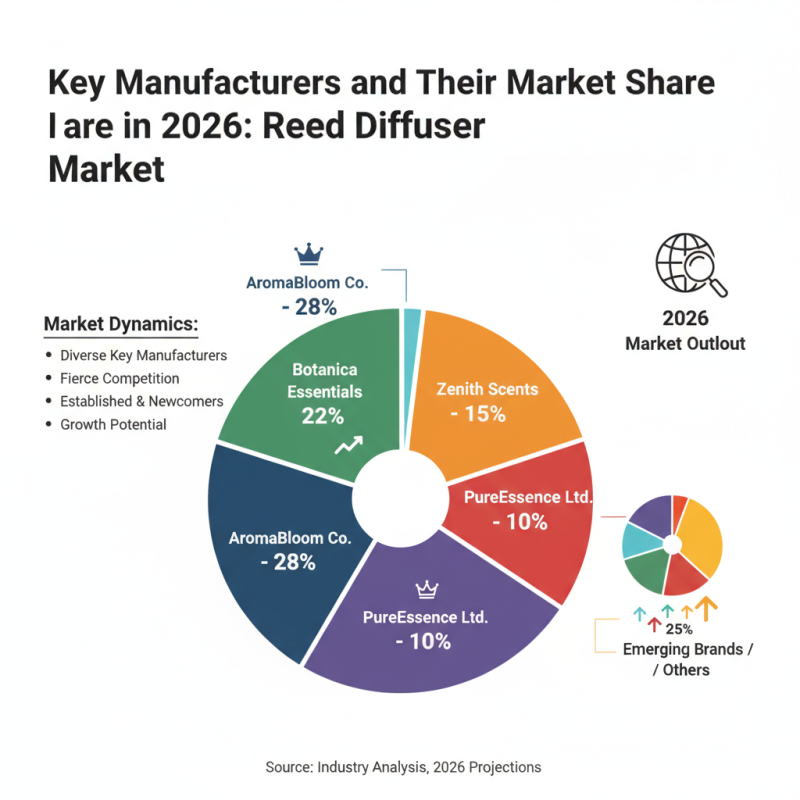
Key Manufacturers and Their Market Share in 2026
In 2026, the reed diffuser market is expected to showcase diverse key manufacturers. Each player holds a unique portion of the market share. Some companies dominate while others exhibit potential for growth. The competition is fierce, yet fascinating. A mix of established firms and newcomers creates an interesting dynamic in the landscape.
Understanding the share distribution among top manufacturers is essential. Certain brands capture the majority due to their strong marketing strategies. Innovative scents and eco-friendly materials attract consumers. However, smaller companies offer unique, artisan-crafted products. They may lack widespread recognition but bring creativity to the forefront. This diversification presents both opportunities and challenges within the market.
While the industry evolves, some may struggle to keep up. Staying relevant requires adaptability. Consumer preferences shift, and brands must respond swiftly. Not all manufacturers will thrive. Reflections on sustainability and quality will influence the future. Competition will spark innovation, but complacency may lead to decline.
Consumer Preferences and Buying Behavior for Reed Diffusers
Reed diffusers are becoming increasingly popular for home fragrance. Consumers are drawn to their simplicity and effectiveness. Many prefer them over traditional candles. The appeal lies in their safe design. They do not require an open flame, making them suitable for any room.
When it comes to purchasing reed diffusers, consumer preferences vary widely. Scent choices are often influenced by seasons or personal experiences. Some prefer floral notes, while others lean towards fresh or woody aromas. Packaging also plays a vital role. Attractive designs can catch attention but may not always lead to a purchase.
Interestingly, some consumers express frustration with longevity. They want their diffusers to last longer without becoming overwhelming. The strength of the scent can be a hit or miss. Some reeds may not absorb the oil effectively. This leads to disappointment and reflection on buying choices. The market needs to address these inconsistencies.
Consumer Preferences for Reed Diffusers in 2026
Sustainability Practices in Reed Diffuser Production and Packaging
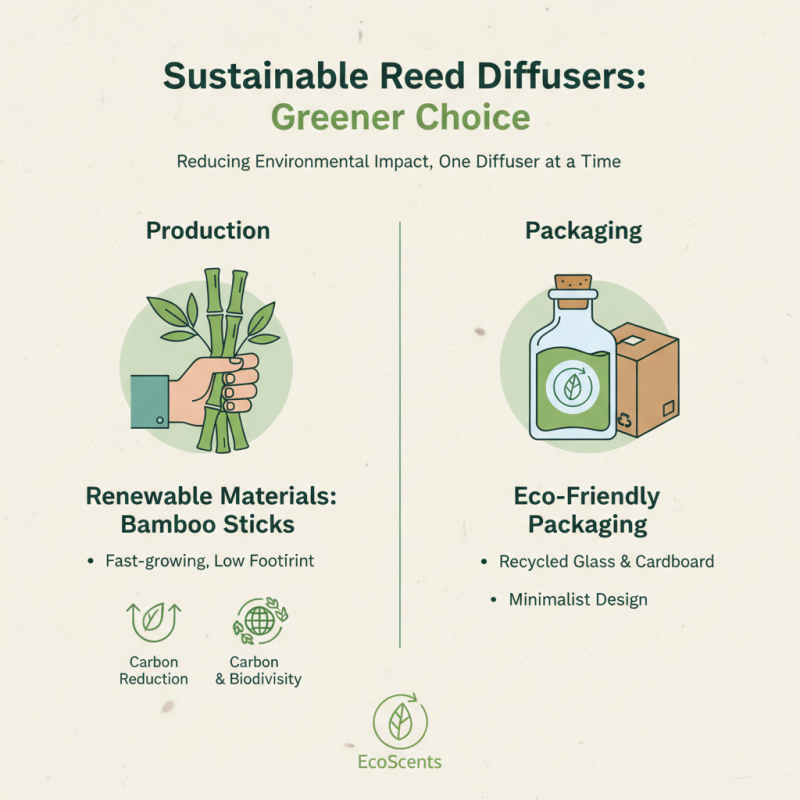
The production and packaging of reed diffusers can significantly impact the environment. Many manufacturers are now adopting sustainable practices. For instance, renewable materials are increasingly used in diffuser sticks. Bamboo, a fast-growing plant, is gaining popularity for its low environmental footprint. Reports indicate that bamboo contributes to carbon reduction and preserves biodiversity.
Packaging is another area where sustainability is crucial. According to a 2022 study, nearly 60% of consumers prefer eco-friendly packaging. Some companies are switching to biodegradable options or reducing plastic use. This trend is not just about being trendy; it reflects a growing consumer demand for responsible practices.
Despite these positive changes, the industry faces challenges. Sourcing sustainable materials can be expensive. It may lead to higher prices for consumers. Moreover, not all brands disclose their sourcing practices. This lack of transparency can confuse buyers. Knowing where products come from is essential for making informed choices. As consumers, we need to push for better practices. By demanding more from producers, we can foster a genuinely sustainable future in reed diffuser production.