2026 Top Valentines Day Gift Ideas for Global Buyers
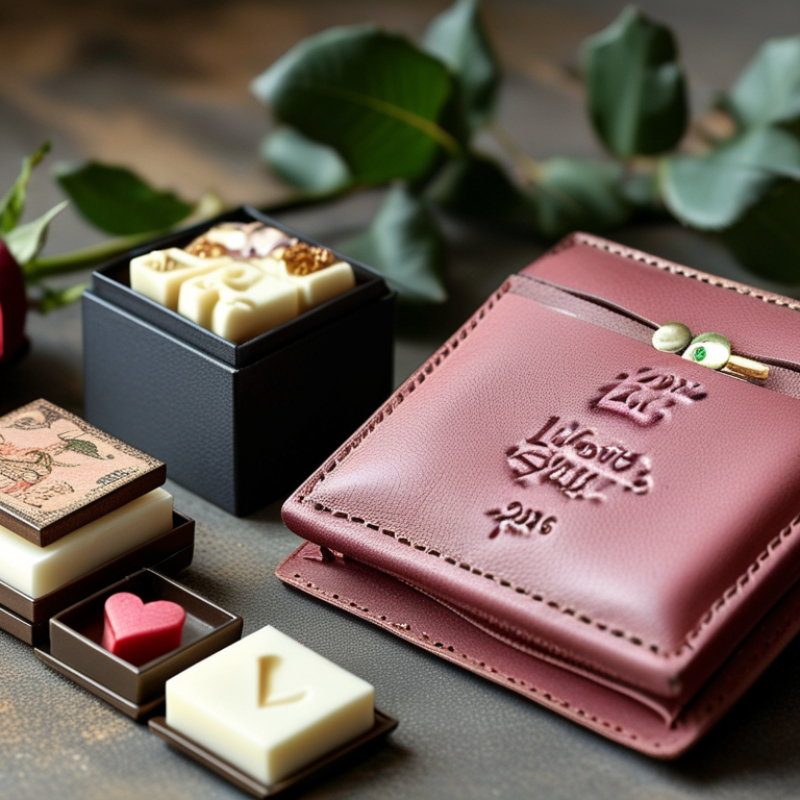
As global buyers prepare for 2026, the Valentines Day Gift market is moving beyond predictable roses and boxed chocolates. Shoppers increasingly want useful, personal, and culturally thoughtful presents. A hand-finished leather cardholder, a locally sourced tea set, or a personalized keepsake can feel more meaningful than a mass-produced item. Small details matter.
Relationship expert Dr. Gary Chapman writes, “Love is a choice you make every day.” That idea remains valuable for gift sellers. The strongest products help buyers express care through everyday use, not only through dramatic presentation. Our guide explores gift ideas suited to different budgets, age groups, cultures, and delivery expectations. It also considers packaging, personalization, ethical sourcing, and international shipping reliability.
Practical choices win.
A global buyer may need a compact gift that survives customs handling and arrives before February 14. Clear product dimensions, honest delivery estimates, and inclusive imagery can build trust. Sellers should also avoid assuming every customer celebrates romance in the same way. Friendship, family affection, and self-care deserve space.
Some recommendations may not suit everyone. That is the point. A beautiful gift can still disappoint if it ignores dietary needs, regional customs, or return policies. The market is changing quickly, and no trend forecast is perfect. Careful testing remains necessary.
This 2026 selection focuses on thoughtful value, dependable quality, and genuine emotional connection. It is designed to help global buyers choose with confidence, while leaving room for personal judgment.
Valentine’s Day 2026 Demand Map: NRF’s $27.5B U.S. Spending Benchmark
The $27.5 billion U.S. Valentine’s Day spending benchmark signals strong seasonal demand for 2026. It is a useful planning reference, not a universal global forecast. Buyers should compare it with local income levels, gifting customs, and delivery conditions. U.S. shoppers often seek personalized items, small luxury products, flowers, sweets, and practical keepsakes. Demand may rise earlier when shoppers need cross-border delivery. Timing matters.
Tips: Track search activity from November onward. Prepare gift bundles in several price ranges. Show exact delivery dates and package dimensions. Use clear product photos, especially for colors, materials, and size. Check customs requirements before listing products internationally. Avoid promising arrival before the local holiday calendar is confirmed.
A global demand map should separate major cities from smaller markets. Urban buyers may accept premium packaging and faster delivery fees. Rural customers may prefer durable gifts with simpler shipping. Romantic purchases also vary by culture, age, and relationship stage. Some shoppers want discreet packaging. Others value handwritten notes or reusable boxes. Practical testing helps: compare click rates, cart values, and delivery complaints by region. A demand map is useful, but never perfect. Real purchasing data can challenge early assumptions. Even experienced sellers may misread a trend when exchange rates, weather, or household budgets change. Flexible stock planning reduces that risk.
Global Buyer Segments: McKinsey’s 5–15% Personalization Revenue Lift
For 2026 Valentine’s Day, global buyers are looking beyond generic gifts. They want products that feel selected, not merely shipped. McKinsey’s widely cited research suggests personalization can increase revenue by 5–15%. That figure deserves attention, but it is not a promise.
Effective segmentation starts with buying intent. A first-time buyer may prefer a simple gift guide, while a repeat customer may respond to engraved accessories, tailored color choices, or flexible delivery dates. Regional habits also matter. Some customers value elegant packaging, while others prioritize practical gifts, low-waste materials, or family-centered options. A small message card can feel more personal when it reflects the recipient’s language and relationship.
The details matter.
Retailers can group buyers by budget, location, purchase timing, and gift purpose. They should test these groups carefully, using consent-based data and transparent recommendations. A useful product page might show “gifts under $50,” “long-distance surprises,” or “ready-to-ship choices.” These labels reduce decision stress without forcing assumptions.
Personalization can fail when it becomes excessive. A customer may not want every product recommendation to reveal past behavior. Cultural references can also miss their target. Human review remains important, especially for translations and emotional wording. The 5–15% benchmark is encouraging, yet businesses should measure returns, complaints, repeat purchases, and customer satisfaction together. Revenue alone may hide a weak experience.
Gift Taxonomy for 2026: Jewelry, Beauty, Experiences, and Smart Keepsakes
For global buyers, Valentine’s Day gifting in 2026 is moving beyond predictable red roses. A useful taxonomy includes jewelry, beauty, experiences, and smart keepsakes.
Jewelry works best when it reflects personal details, such as a birthstone, engraved initial, or lightweight everyday design. Check metal descriptions carefully, especially for allergies and sensitive skin.
Beauty gifts should match climate, routine, and ingredient preferences. A rich body cream may suit dry winters but feel uncomfortable in humid regions.
Tips:
Choose practical details before decoration. Confirm size, delivery timing, packaging, and return conditions. For international orders, review local customs guidance and product restrictions.
Experiences can include cooking sessions, museum visits, wellness classes, or virtual workshops. They create shared memories without adding luggage.
Smart keepsakes, such as digital photo displays or connected journals, add emotional value through daily use. However, buyers should examine privacy settings, charging requirements, language support, and long-term software access.
My experience suggests that a thoughtful gift often beats an expensive one. Still, personalization can become excessive. A message that feels intimate to one person may feel awkward to another. Keep the wording simple and culturally respectful. A small mistake can teach more than polished packaging. Choose meaning, function, and reliable delivery together.
Sustainable Gift Filters: Verify Claims with ISO 14021 and Lifecycle Evidence
For global buyers choosing 2026 Valentine’s Day gifts, sustainability claims need more than soft colors and recycled-looking packaging. A product described as “recyclable,” “compostable,” or “made with recycled content” should be assessed against ISO 14021 principles. This standard addresses self-declared environmental claims, including clear wording, reliable evidence, and suitable qualification.
Ask suppliers for specific proof. A recycled-content claim should show the percentage, material source, and calculation method. A compostable item needs conditions, test results, and disposal guidance. “Lower carbon” requires a defined comparison, such as a previous product version or industry reference. Vague phrases are warning signs.
Lifecycle evidence adds practical depth. Review raw materials, factory energy, packaging weight, transport distance, product use, and end-of-life options. For a gift set, a lightweight paper insert may reduce packaging impact, while a decorative coating could complicate recycling. Check production records, laboratory reports, supplier declarations, and chain-of-custody documents where relevant. Keep them connected to the exact product, not a similar sample.
ISO 14021 is not automatic third-party certification. That distinction matters. Supplier documents can be incomplete. They can also become outdated when materials change. I have seen attractive claims weaken after transport and disposal were ignored. Buyers should record assumptions, question missing data, and avoid promising more than the evidence supports. Some uncertainty is honest. Pretending otherwise damages trust.
Cross-Border Conversion Plan: Baymard’s 70.19% Cart-Abandonment Benchmark
2026 Top Valentine’s Day Gift Ideas for Global Buyers
Baymard’s 70.19% cart-abandonment benchmark shows how easily gift shoppers disappear before payment. For cross-border stores, Valentine’s purchases need more than attractive product photos. Buyers want a clear delivery date, familiar currency, transparent duties, and simple return information. A small uncertainty can outweigh an emotional purchase.
Show practical gift details beside the main product image. Mention package size, materials, personalization limits, and estimated arrival dates. A buyer in Toronto may need a different delivery promise than someone in Singapore. Display local payment options and keep the total price visible before checkout. Surprise fees damage trust quickly.
Test the checkout on a mobile phone with a slow connection. Remove unnecessary account requirements and reduce form fields. Progress indicators can make a long checkout feel manageable. They are not magic. In my experience, even a polished page can fail when address validation rejects a regional format. Review abandoned-session recordings, compare country-level conversion rates, and fix the most repeated friction first. Use accessible text, secure payment handling, and accurate stock updates for every market.