Top Aroma Diffuser Buying Guide for Global Suppliers?
The global aroma diffuser market has shown remarkable growth, valued at an estimated $1.6 billion in 2022, according to market research by Grand View Research. As wellness continues to be a priority, the demand for aroma diffusers is soaring. Industry expert Michael Chen notes, "The right aroma diffuser not only enhances mood but can also improve indoor air quality."
With consumers increasingly interested in home wellness solutions, selecting the right aroma diffuser becomes essential. Factors such as product design, functionality, and essential oil compatibility play a crucial role. However, many buyers often overlook important specifications that ensure effectiveness and safety.
Navigating the diverse range of aroma diffusers can be challenging. The market offers various types, from ultrasonic to nebulizing models. Potential buyers must weigh these options carefully. As preferences shift and new technology emerges, it’s important to stay informed. Careful selection can lead to enhanced experiences, while hasty decisions may result in disappointment.
Overview of Aroma Diffuser Types Available Globally
Aroma diffusers have surged in popularity worldwide. They break down essential oils into tiny particles and disperse them into the air. This promotes relaxation and a sense of well-being. The global essential oil market is projected to reach USD 14.6 billion by 2026, indicating rising demand for aroma diffusers.
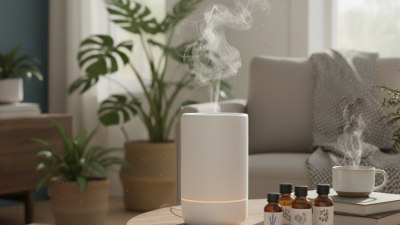
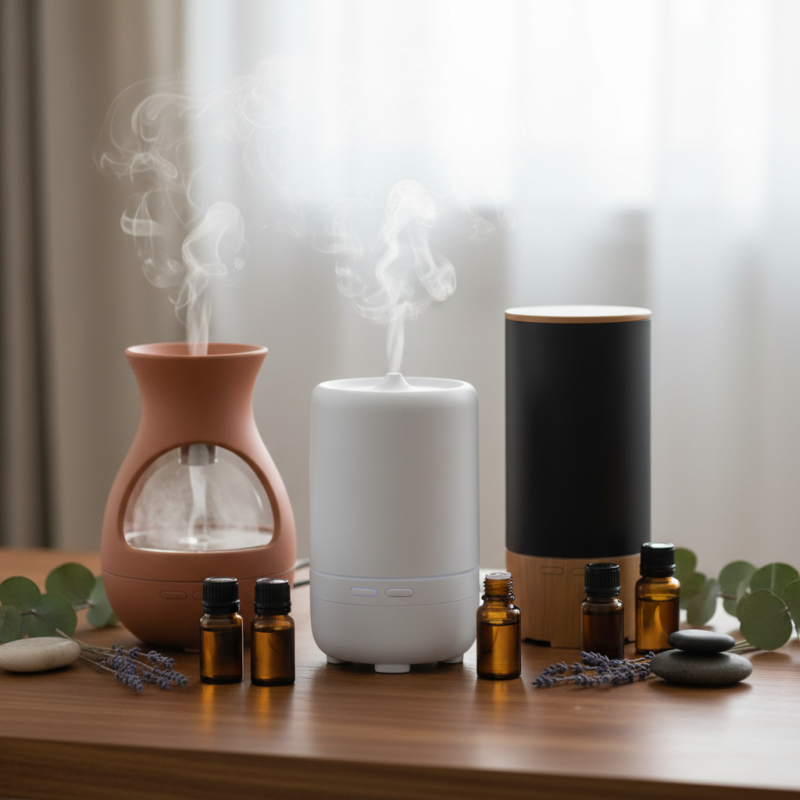
Various types of aroma diffusers exist globally. Ultrasonic diffusers use water and vibrations to emit mist. This method not only maintains the oil's benefits but also humidifies the air. In contrast, nebulizing diffusers use a different method. They generate a concentrated mist of pure essential oil without water. This can create a more potent aroma, appealing to many users.
Heat diffusers are another option. They use gentle heat to release scent but can alter the oil's properties. A study from Research and Markets found that consumers prefer diffusers for their ease of use and therapeutic benefits. However, some users have reported concerns about heat affecting oil quality. It's essential for buyers to reflect on these factors, as their choice influences their aromatherapy experience.
Key Features to Consider When Selecting an Aroma Diffuser
Choosing the right aroma diffuser can greatly enhance your relaxation and well-being. When selecting a diffuser, consider key features like capacity, ultrasonic technology, and timer settings. A larger water tank means longer usage without constant refills. Ultrasonic diffusers create a fine mist, which quickly disperses essential oils into the air.
Tips: Always check the material quality. Some diffusers use plastic that may not withstand heat over time. This can affect both performance and safety. Consider how easy it is to clean, as residue can build up quickly and affect scent diffusion.
Look for diffusers with multiple timer settings. These allow you to control the duration of scent release. It's tempting to choose a model based on design alone. However, functionality should come first. Reflect on your needs and lifestyle. A diffuser that looks great but doesn’t fit your usage pattern may lead to disappointment.
Top Aroma Diffuser Buying Guide for Global Suppliers
| Feature |
Description |
Importance |
| Capacity |
Volume of water the diffuser can hold, affecting duration of use. |
High |
| Mist Output |
Rate at which the diffuser releases mist; higher output for larger spaces. |
High |
| Run Time |
Duration the diffuser can continuously operate before needing a refill. |
Medium |
| Auto Shut-off |
Safety feature that turns off the diffuser when water is empty. |
High |
| Light Options |
Availability of LED lights for mood-setting and night use. |
Low |
| Design |
Aesthetic aspects that may influence the choice based on decor. |
Medium |
| Portability |
Ease of moving the diffuser from room to room. |
Medium |
| Price |
Cost of the diffuser, which may affect marketability. |
High |
Understanding the Aroma Diffuser Market Trends and Demographics
The aroma diffuser market is experiencing dynamic changes. According to a recent market research report, the global aroma diffuser market is projected to grow at a CAGR of over 10% from 2023 to 2030. This growth is largely driven by rising consumer interest in wellness and aromatherapy. Understanding user demographics is crucial. Millennials, for instance, are more inclined towards essential oils and natural scents.
Tips: Engage your audience by showcasing unique essential oils. Highlight their benefits and how they enhance mood or relaxation.
Additionally, the popularity of smart home technology is shaping buying trends. Consumers demand more features, such as customizable light settings and smartphone connectivity. A survey indicated that 55% of users prefer diffusers with adjustable timer functions. This trend underlines the importance of functionality in engaging consumers.
Tips: Offer guidance on choosing features based on lifestyle. For those who prioritize convenience, smart features may be essential, while others might value simplicity.
Despite this growth, challenges linger. Some consumers are hesitant due to concerns over the quality of essential oils or the safety of diffusers. As awareness increases, it is vital for suppliers to provide transparency about their products. Ensuring high-quality materials can instill confidence among buyers.
Supplier Evaluation Criteria for Aroma Diffuser Sourcing
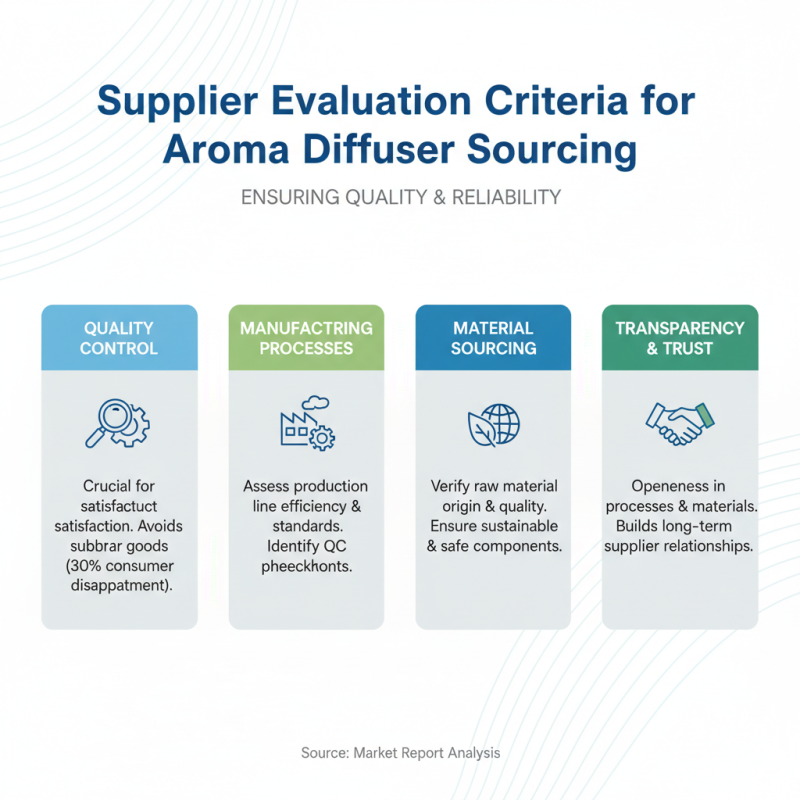
When sourcing aroma diffusers, supplier evaluation is crucial. Many suppliers overlook quality control measures. According to a market report, over 30% of consumers find subpar product quality disappointing. Key assessment areas should include manufacturing processes and material sourcing. Transparency in these areas builds trust and ensures standards.
Supplier certifications can serve as indicators of reliability. ISO certifications, for example, often reflect a commitment to quality management. Yet, not all suppliers pursue such certifications. This can lead to inconsistent product quality. A research study indicated that suppliers with certifications experienced 25% fewer product returns. Evaluating suppliers based on certifications is a sound practice.
Engaging in factory visits adds another layer of insight. Observing operations helps assess production capabilities firsthand. However, many buyers skip this step due to time constraints. A significant portion of suppliers lacks adequate communication skills, leading to misunderstandings. This can hinder effective partnerships. It’s essential to invest time in evaluating potential suppliers thoroughly.
Top Brands and Manufacturers in the Aroma Diffuser Industry
The aroma diffuser industry has seen remarkable growth in recent years. According to a report by Grand View Research, the global aroma diffuser market size was valued at approximately $1.36 billion in 2021 and is expected to expand at a CAGR of 10.7% from 2022 to 2030. This trend indicates a significant rise in demand for essential oil diffusers across various demographics.
Top brands and manufacturers in this sector often prioritize quality and design. They understand that consumers seek more than just functionality; they want an aesthetic addition to their homes. The diverse range of products available today reflects this demand. However, it is essential to analyze the materials used and the technology employed in manufacturing. Authenticity and safety are paramount.
Tip: When selecting an aroma diffuser, consider not only the design but also the materials. Look for diffusers that use BPA-free plastics or glass.
Many consumers may overlook the importance of capacity and runtime when choosing a diffuser. A unit that holds a small water reservoir might require frequent refills, disrupting the experience. Understanding these details can impact user satisfaction significantly.
Tip: Always check the runtime specifications of your chosen diffuser model to ensure it meets your needs.