Why Choose Glass Bottle for Your Beverage Packaging Needs?
In recent years, the beverage industry has seen a notable shift towards packaging choices that favor sustainability and consumer safety. One expert in the field, Dr. Emily Smith, a renowned packaging specialist, emphasizes the importance of glass by stating, "Glass bottles not only preserve taste but also reduce environmental impact." The popularity of glass bottles is not just a trend; it reflects a growing awareness of health and ecological issues.
Choosing a glass bottle can enhance the drinking experience. Glass provides a premium feel. It does not impart flavors to the beverage. However, not all consumers appreciate its weight compared to plastic options. Some may find glass bottles less convenient for on-the-go lifestyles.
Despite these drawbacks, the advantages are compelling. Glass bottles are recyclable and reusable, making them a thoughtful choice for environmentally conscious brands. Many consumers associate them with quality and purity. This association can elevate a brand’s image. The question remains: will this trend continue to grow as consumers become more mindful of their choices?
Benefits of Glass Bottles for Beverage Packaging
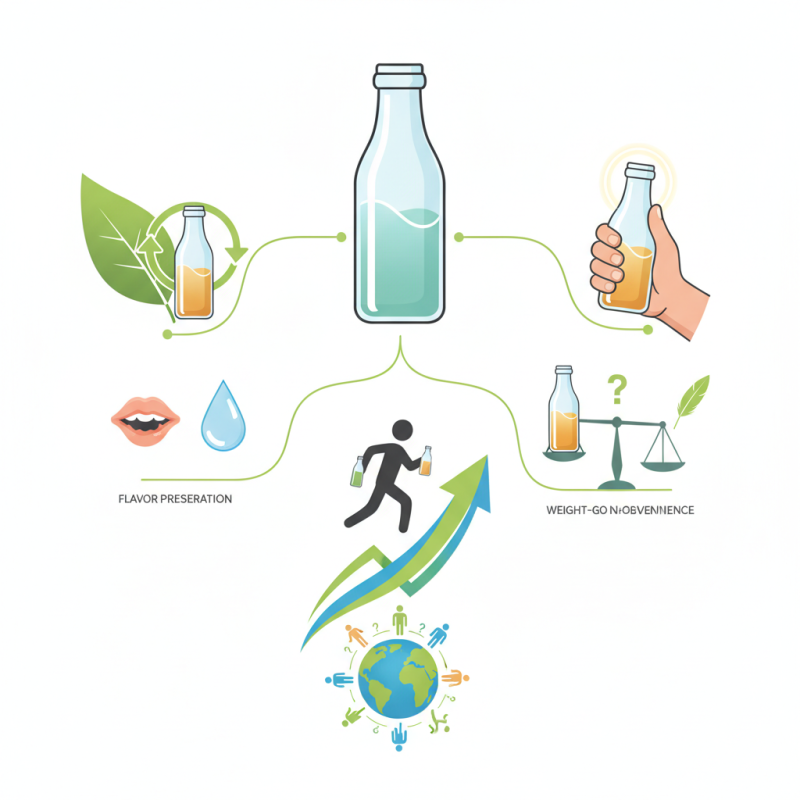
Glass bottles are becoming increasingly popular for beverage packaging. They offer a unique blend of benefits that other materials simply cannot match. For one, glass is a non-porous material. It doesn’t absorb flavors or odors, ensuring that the beverage inside remains pure and fresh. Many consumers appreciate this purity, especially for juices and flavored drinks.
Additionally, glass provides excellent protection against light and air. This keeps beverages from spoiling or losing their taste. Bottles can be designed with dark colors to further shield contents from harmful UV rays. The aesthetic appeal of glass bottles is undeniable. They convey a sense of quality and elegance that plastic simply does not offer.
However, not all glass bottles are created equally. Some may be heavier and more fragile than anticipated.
When thinking about sustainability, glass is recyclable and reusable. It encourages consumers to be more eco-conscious. Still, the energy used in making glass can be significant. This is a point for reflection.
Overall, glass bottles hold significant advantages for beverage packaging. Yet, the balance between beauty, practicality, and sustainability deserves thoughtful consideration.
Environmental Impact of Glass Compared to Other Materials
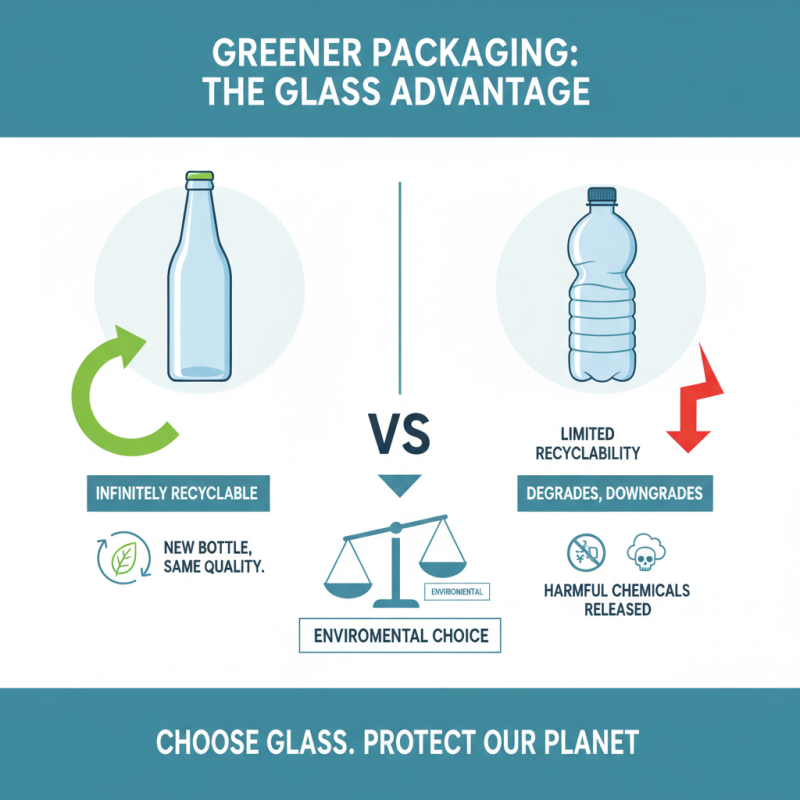
Glass bottles have become a popular choice for beverage packaging due to their environmental benefits. Unlike plastic, glass is infinitely recyclable. This means that every glass bottle can be recycled into a new bottle without losing quality. In contrast, plastic often breaks down and cannot be reused in the same way. Some recycling processes also release harmful chemicals, which can further damage our environment.
When considering your packaging options, think about how your choice affects the planet. The production of glass requires more energy than plastic. However, the long-term sustainability of glass makes it a solid option. It doesn’t absorb flavors or odors, ensuring that your beverage tastes fresh every time.
**Tip: Consider sourcing glass from post-consumer recycled materials.** This reduces the energy needed for production. Additionally, remember that while glass is heavier than plastic, it often helps maintain beverage integrity better. However, be aware of the risks of breakage.
**Tip: Use protective packaging when shipping glass bottles.** This minimizes the chance of damage. Investing in better protection can ensure that your products arrive safely at their destination. People may prefer eco-friendly options, but the challenge is to balance cost and sustainability effectively.
Health and Safety Considerations of Using Glass Bottles
Glass bottles are becoming increasingly popular for beverage packaging due to their safety and health benefits. Studies indicate that glass is non-toxic and does not leach harmful chemicals into beverages. The International Glass Packaging Industry reports that 78% of consumers feel safer with glass containers. This is especially crucial for beverages like juices and teas, where purity is paramount.
In addition, glass is inert and preserves flavor integrity. According to the Food and Drug Administration (FDA), glass is one of the safest materials for food and drink. Unlike plastic, glass does not interact with contents. This means that beverages taste as intended, free from chemical contamination. Yet, despite these benefits, some may argue that glass bottles can break easily. Businesses must weigh these risks against the safety benefits glass provides.
Recycling is another significant topic. Glass is 100% recyclable without loss of quality, as noted in a study by the Glass Packaging Institute. This means it can be reused repeatedly, reducing environmental impact. However, the energy required for glass manufacturing raises concerns. Industry analysis shows a need for improved sustainability practices. These challenges highlight the necessity for continuous improvement in both health safety and environmental responsibility.
Health and Safety Considerations of Using Glass Bottles
This chart illustrates various health and safety concerns associated with beverage packaging materials, comparing glass bottles with plastic bottles based on several key factors.
Design and Aesthetic Appeal of Glass Beverage Packaging
The design and aesthetic appeal of glass beverage packaging play a crucial role in consumer choices. Research shows that 72% of consumers notice packaging before the product itself. Glass Bottles often evoke a sense of quality and luxury. Their clarity showcases the beverage inside. The allure of glass can enhance the drinking experience, making it feel more special.
However, brands must consider the evolving preferences of their audience. While glass is elegant, it can be fragile. Consumers may worry about breakage during transport or storage. This concern affects purchasing decisions. Despite this, a study found that 63% of consumers prefer glass for its perceived health benefits. Glass doesn't leach chemicals, making it a safe choice for beverages. Its environmentally friendly image appeals to eco-conscious consumers, but brands must ensure sustainable practices in sourcing and recycling.
It's worth noting that design trends are shifting too. Minimalist aesthetics are on the rise. Bold graphics and colors can attract attention, yet some consumers prefer simplicity. Balancing visual appeal with practicality is essential. Packaging needs to stand out while ensuring functionality. Brands must continuously adapt and innovate. The path forward is filled with opportunities and challenges in balancing beauty with strength.
Cost-Effectiveness and Reusability of Glass Packaging Solutions
Choosing glass bottles for beverage packaging is not just about aesthetics. It's about cost-effectiveness and sustainability. According to a recent study by the Glass Packaging Institute, over 70% of consumers prefer glass for its ability to preserve flavor and quality. This is particularly vital in the beverage industry, where taste is king.
Cost-effectiveness is often overlooked. While the initial cost of glass may be higher, its reusability offsets this. Reusable glass bottles can be used multiple times, lowering packaging costs over time. The European Container Glass Federation reports that each reused glass bottle saves about 30% in raw materials and energy. This makes glass packaging not only eco-friendly but also economically sensible for manufacturers.
Yet, there are challenges that companies face. Some consumers worry about the weight of glass. It's heavier than plastic, which can increase transportation costs. Additionally, breakage remains a concern—a fragile nature that can lead to losses. Companies must weigh these factors carefully. Balancing sustainability with practicality can be complex. Ultimately, the choice should reflect both budget realities and consumer preferences.