How to Choose the Right Glass Bottle for Your Needs?
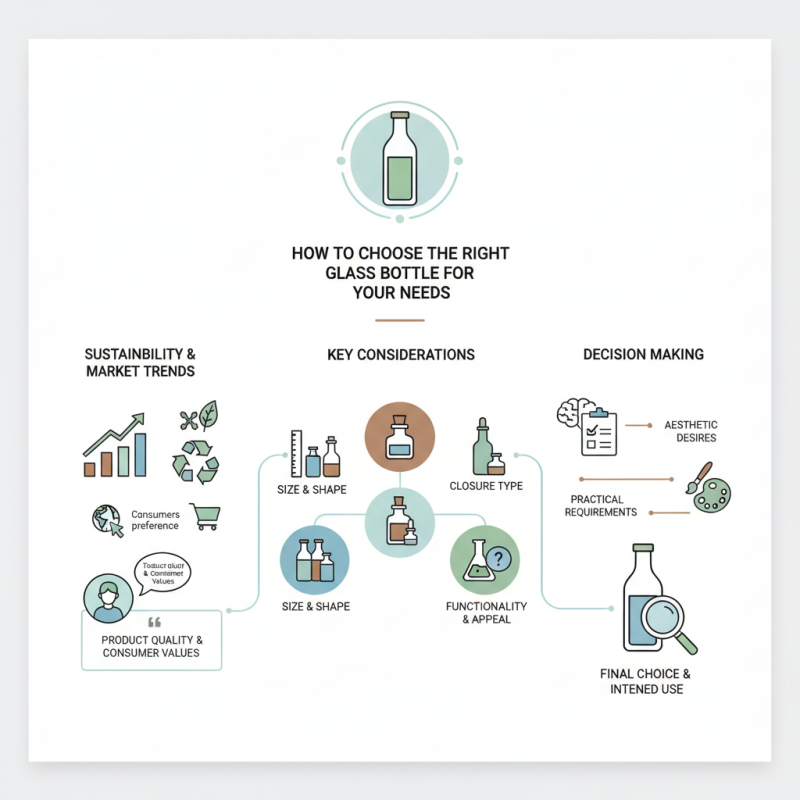
Choosing the right glass bottle is essential for both consumers and businesses. Data from a recent industry report by Smith Research indicates that the global glass bottle market is projected to grow by 4.5% annually, driven by increasing consumer preference for sustainable packaging options. Glass bottles stand out due to their reusability and recyclability, making them a favored choice.
Industry expert Dr. Emily Taylor, a leading figure in sustainable packaging solutions, emphasizes, "The right glass bottle not only preserves product quality but also aligns with consumer values." This perspective highlights the importance of selecting a bottle that meets specific needs while also considering environmental impacts.
However, the variety of glass bottles available can be overwhelming. Factors such as size, shape, and closure type can significantly influence the product's functionality and appeal. It is crucial to reflect on these aspects carefully. The selection process should address practical requirements and aesthetic desires, ensuring that the final choice effectively mirrors the intended use.
Understanding the Different Types of Glass Bottles Available
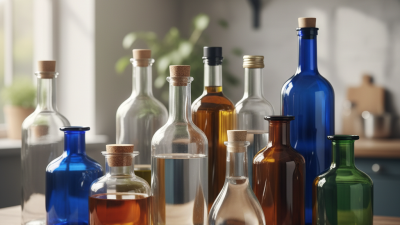
When selecting a glass bottle, it's essential to understand the variety available in the market. There are many types, each with unique characteristics. For instance, some bottles are designed for beverages, while others are better for storage. Whipped cream dispensers or large jars showcase the versatile applications of glass bottles. Each serves specific needs depending on intended use.
Consider the size and shape of the bottle. A wider neck makes filling easier, while a narrow neck is suitable for liquids like oils or sauces. You might find that some bottles are more suitable for hot liquids. Others, with thicker glass, provide better durability. Always think about what you plan to store. It’s important to match your choice with your lifestyle.
Reflecting on the material, not all glass is created equal. Some bottles may chip or crack easily. A heavier bottle often indicates better quality but can be cumbersome. Be mindful of your storage space. A bottle that fits beautifully in your hand may not be practical on a crowded shelf. Exploring options thoughtfully will lead to a more satisfying choice in the long run.
Assessing Your Specific Use Cases for Glass Bottles
Choosing the right glass bottle requires careful consideration of specific use cases. Whether it's for water, juices, or sauces, understanding your needs is vital. For instance, a bottle for daily hydration should be lightweight and easy to carry. If you plan to store oils, a sturdy, dark glass can prevent light exposure, preserving freshness.
Think about the volume you require. Smaller bottles are convenient for single servings. Larger ones work well for shared use. Aesthetic factors may also play a role. If you're displaying homemade products, a beautifully designed bottle enhances appeal. However, it's essential to reflect on practicality over style. A high-contrast lid may break easily, negating the visual benefits.
Evaluate your comfort with glass. Some users prefer plastic for its light weight and safety, while others appreciate glass's eco-friendliness. Testing different shapes can also reveal what feels best in hand. Don't forget to ponder the longevity of your choice. A bottle that meets your immediate needs may not serve you well long term if it cracks or leaks.
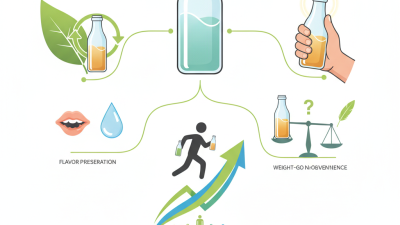
Glass Bottle Usage Comparison
Evaluating Size and Capacity Requirements for Your Needs
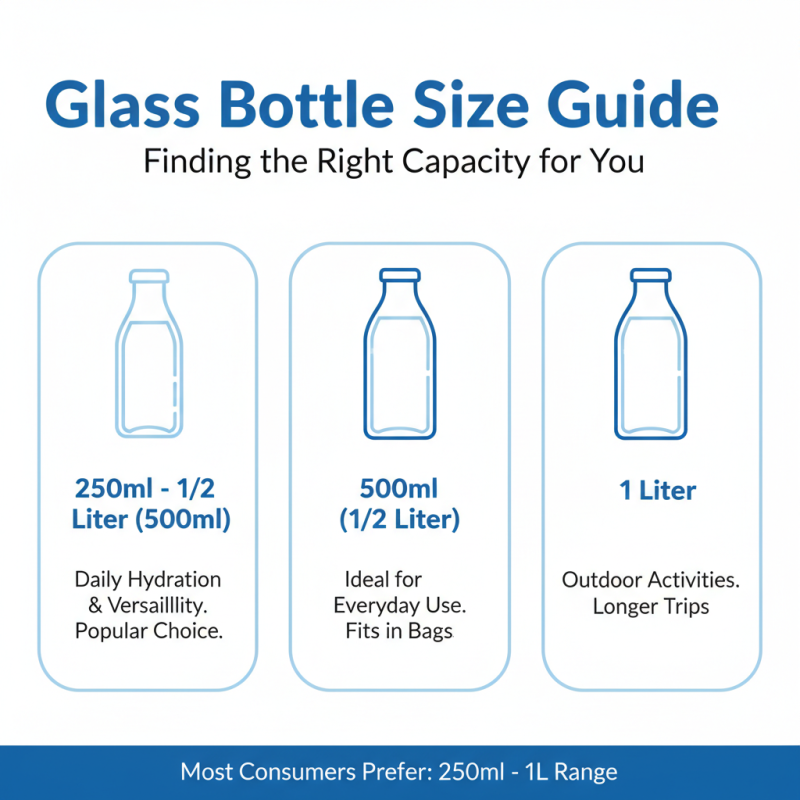
When choosing the right glass bottle, evaluating size and capacity is crucial. Various reports show that most consumers prefer bottles ranging from 250ml to 1 liter. This range provides versatility for different uses. A 500ml bottle is often ideal for daily hydration. On the other hand, a larger 1-liter bottle suits outdoor activities well.
However, capacity isn't the only factor. The bottleneck size, for example, affects ease of cleaning and pouring. Research suggests bottles with narrow openings can trap residue, leading to hygiene concerns. It's worth reflecting on how often you use a bottle. If daily, a smaller size may suffice. But if it serves multiple purposes, consider larger options.
Another important aspect is the weight of the bottle. Heavier bottles can feel cumbersome during travel. A common finding is that 70% of users prefer lightweight options for their portability. Selecting the right size and capacity influences not only usability but also encourages sustainable practices. Aim for a balance between functionality and practicality in your choice.
Considering Safety and Durability Features in Glass Bottles
Choosing the right glass bottle means focusing on safety and durability. When selecting a bottle, it’s crucial to consider materials' quality. Reports indicate that about 60% of consumers prefer BPA-free glass bottles for safety. BPA can leach into drinks, posing health risks. Using lead-free glass is also essential, particularly for food storage. Lead exposure can cause serious health issues, especially in children.
Durability is another key factor. Glass bottles can withstand temperature changes but can break easily if dropped. Choosing thick glass, often rated as “tempered,” enhances durability. A study by the Glass Packaging Institute found that well-made glass bottles can handle temperatures up to 200°F without shattering. Despite their resilience, even the best bottles need care. Over time, chips and cracks may occur, compromising safety.
While glass is environmentally friendly, its manufacturing process has a carbon footprint. It's worth considering this when making a choice. Assess how often you plan to use the bottle. If for daily use, durability should take precedence. For occasional use, lightweight options may suffice. Reflect on your lifestyle and needs to ensure the glass bottle chosen serves you well.
How to Choose the Right Glass Bottle for Your Needs? - Considering Safety and Durability Features in Glass Bottles
| Feature |
Description |
Safety Rating (1-5) |
Durability Rating (1-5) |
| Borosilicate Glass |
Highly resistant to thermal shock, perfect for hot and cold liquids. |
5 |
5 |
| Soda-Lime Glass |
Common glass type, suitable for everyday use but less heat resistant. |
4 |
4 |
| Lead-Free Crystal |
Elegant and durable, but more sensitive to impact. |
4 |
3 |
| Colored Glass |
Good UV protection but can be less durable than clear glass. |
3 |
4 |
| Recycled Glass |
Eco-friendly option, variable quality and durability based on manufacturing. |
4 |
3 |
Exploring Aesthetic Designs and Customization Options for Glass Bottles
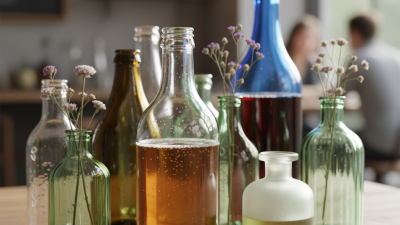
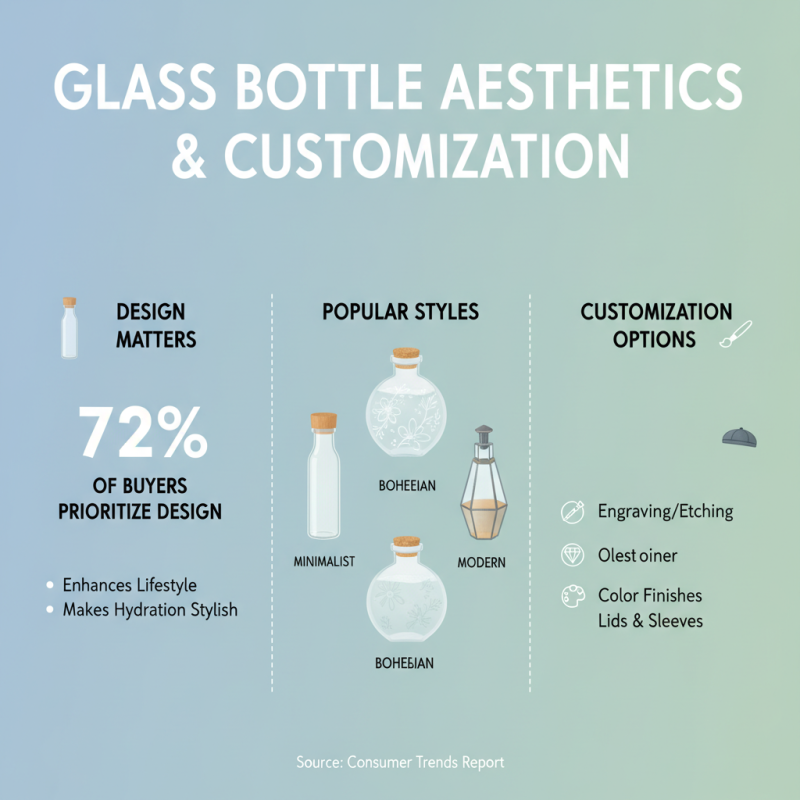
When selecting a glass bottle, aesthetic design plays a crucial role. Many consumers seek visually appealing options that can enhance their lifestyle. Reports indicate that 72% of buyers consider design as a key factor in their purchase. A well-designed bottle can make hydration enjoyable and stylish. From minimalist to bohemian styles, the market offers a plethora of choices that cater to various tastes.
Customization adds another layer of appeal. Many companies now provide options for personalizing glass bottles. This could include custom engravings or unique color patterns. According to industry studies, 65% of consumers prefer products that reflect their personality. Customization not only meets aesthetic desires but also allows individuals to stand out. However, the challenge lies in balancing personalization with functionality. It’s essential that a custom design doesn’t compromise the bottle’s utility or durability.
The glass bottle market is evolving, but potential buyers must reflect on their needs. What works for one person may not work for another. Questions about size, purpose, and design should guide the decision-making process. Not every design option is practical and some may not fit into daily routines. Understanding the balance between aesthetics and usability can lead to more informed decisions.