What is a Reed Diffuser Sticks and How Do They Work?
Reed Diffuser Sticks have gained immense popularity in recent years. According to industry reports, the global home fragrance market is projected to reach $8.7 billion by 2025. This growth reflects a rising demand for sustainable and eco-friendly products. Reed diffusers are often sought after for their aesthetic appeal and ease of use.
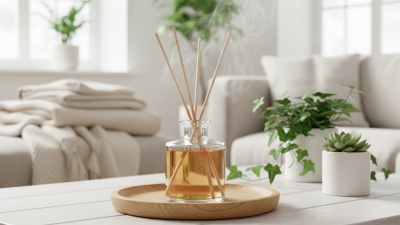
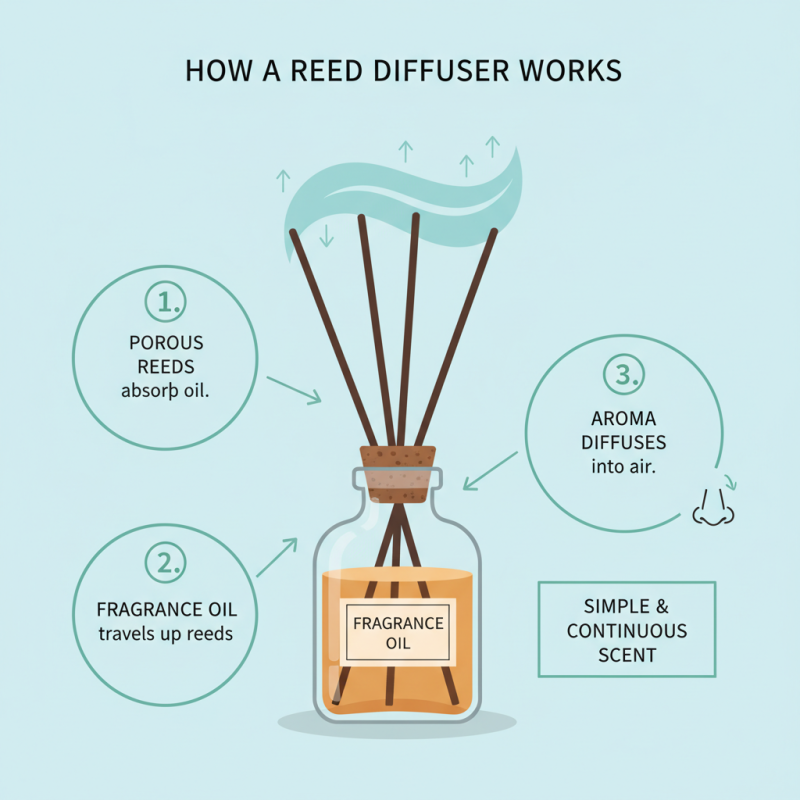
Typically, these diffusers consist of a bottle filled with fragrant oil and thin sticks. The sticks absorb the oil and release scent into the air. This method of diffusion provides a constant flow of fragrance. Unlike candles, reed diffusers do not require an open flame. This feature makes them safer for homes with children and pets. However, users should be aware that some scents may fade faster than others.
Moreover, the choice of materials matters. Cheap sticks might not draw the oil efficiently. Consumers often overlook this when choosing a product. The effectiveness of Reed Diffuser Sticks can vary widely based on quality and design. As the market evolves, finding reliable information becomes crucial for buyers. Being informed helps in choosing an effective reed diffuser that meets individual needs.
What Are Reed Diffuser Sticks? An Overview of Their Composition
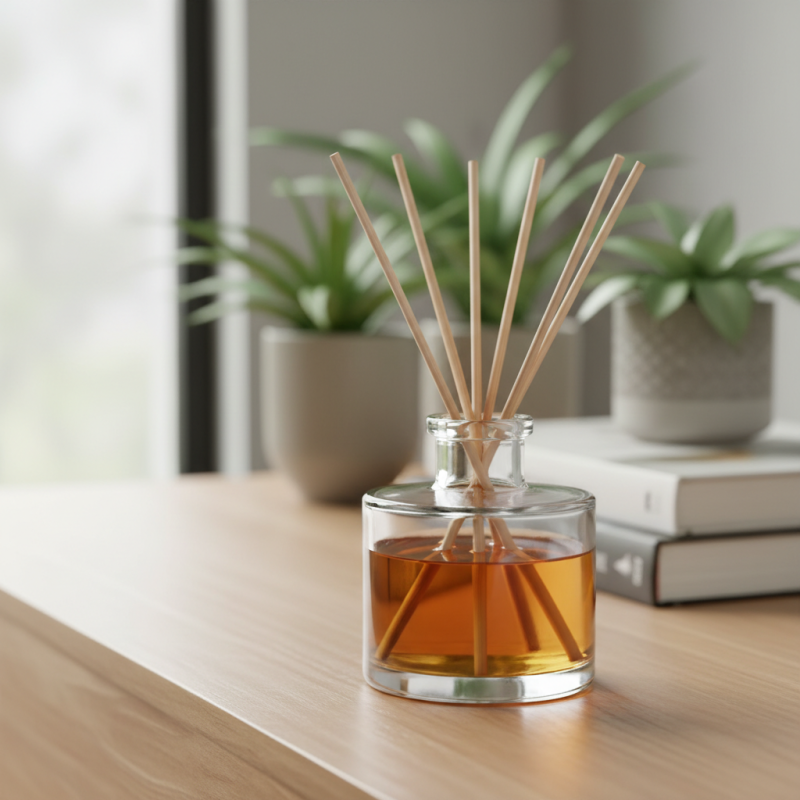
Reed diffuser sticks are a popular choice for home fragrance. They offer a simple, elegant way to enhance indoor environments. Typically made from natural rattan or bamboo, these sticks absorb scented oils. As they soak up the oils, they release pleasant aromas into the air. This process creates a continuous fragrance without the need for flame or electricity.
The composition of a reed diffuser includes essential oils, a carrier liquid, and the reeds themselves. Industry reports indicate that the global home fragrance market reached $6 billion in 2022, with reed diffusers growing in popularity annually. Consumers appreciate their long-lasting scent. However, the effectiveness can vary based on several factors. The quality of oil, stick material, and room temperature play critical roles. For instance, in cooler rooms, fragrance diffusion may be less effective.
Additionally, some users report that diffusers become less potent over time. This can lead to frustration. It's essential to rotate the sticks occasionally for better scent distribution. The longevity of the perfume depends on the room's ventilation too. Open spaces may disperse aromas faster than smaller, enclosed areas. Understanding these factors can enhance the reed diffuser experience.
What is a Reed Diffuser Sticks and How Do They Work? - Overview of Their Composition
| Component |
Description |
Function |
| Diffuser Sticks |
Thin reeds made of porous materials. |
Absorb fragrance oil and release scent into the air. |
| Fragrance Oil |
A mixture of aromatic compounds in a carrier oil. |
Provides the desired scent to the environment. |
| Base Oil |
A neutral oil that dilutes the fragrance. |
Facilitates the evaporation of fragrance molecules. |
| Container |
A vessel that holds the fragrance oil and reeds. |
Holds and showcases the diffuser sticks and oil. |
| Scent Strength |
Concentration of fragrance in the oil. |
Determines how strong or subtle the released scent is. |
The Science Behind Reed Diffusion: How Fragrance Is Released
Reed diffusers are simple yet effective devices for scenting a space. They consist of a glass container, fragrance oil, and slender reeds. The reeds are usually made of porous materials that absorb the oil. This process allows the fragrance to travel upwards and release aroma into the air.
The science behind reed diffusion is fascinating. When the reeds soak up the liquid, a combination of capillary action and evaporation kicks in. The oil rises through the reeds and emerges at the top. As the oil evaporates, it spreads pleasant scents throughout the room. Temperature and air movement can influence this process. Warmer environments can enhance the scent release, while cooler spaces may slow it down.
However, not every reed diffuser works perfectly. Sometimes, the reeds may become clogged or the oil can evaporate too quickly. The formula used can also vary significantly and affect the scent intensity. Observing these factors is critical for achieving the desired ambiance. Reed diffusers may require a bit of tweaking to make them truly effective in your space.
Factors Influencing the Effectiveness of Reed Diffuser Sticks
The effectiveness of reed diffuser sticks hinges on several key factors. First, the type of essential oil used plays a crucial role. High-quality oils tend to release fragrance more effectively. On the other hand, cheaper, synthetic oils might not offer the same intensity. This can lead to a lackluster scent experience that fails to fill the room.
Another factor is the environment where the diffuser is placed. Warm, airy spaces can help the scent travel further. However, placing the diffuser in a small, enclosed area may limit its reach. The air circulation around the diffuser also matters. Without proper airflow, the fragrance might stagnate.
Lastly, the number of reeds impacts scent diffusion. Too few reeds may not disperse the fragrance adequately. Conversely, using too many can lead to overwhelming scent intensity. It's a delicate balance, often requiring experimentation. Each home is unique, and finding the right setup may take time and reflection.
Industry Trends: Market Growth and Consumer Preferences in Home Fragrance
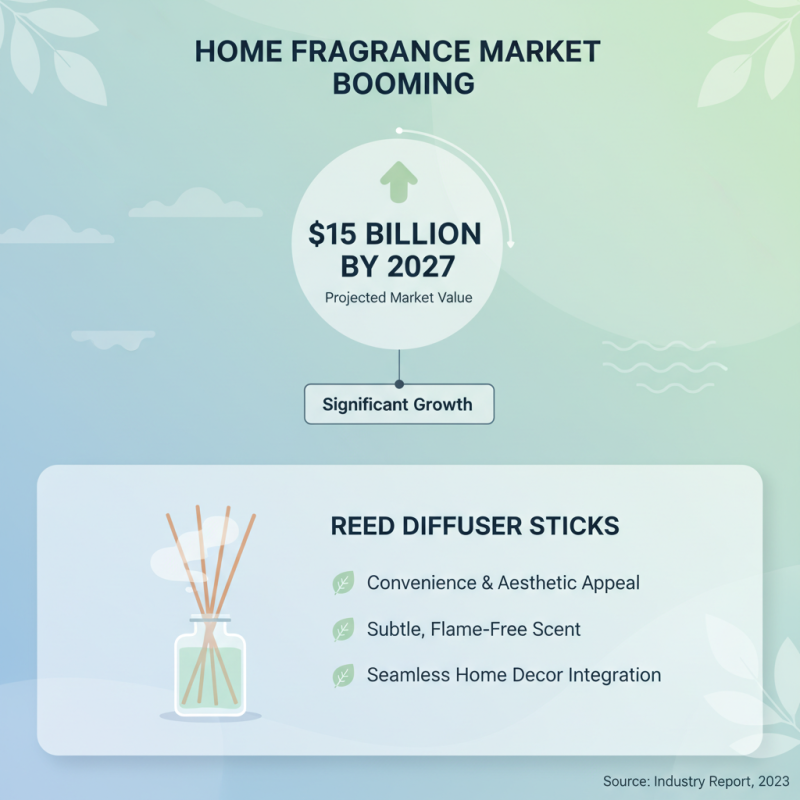
The home fragrance market is witnessing significant growth. According to a recent report, it is projected to reach $15 billion by 2027. Consumers are increasingly gravitating towards Reed Diffuser Sticks for their convenience and aesthetic appeal. These diffusers offer a subtle way to scent a room without flames or electricity. The simplicity of their design allows them to blend seamlessly into home decor.
Sustainability plays a pivotal role in consumer choices. Many prefer natural ingredients over synthetic fragrances. A survey indicated that 78% of shoppers consider eco-friendly products a decisive factor. Brands that align with these preferences are seeing positive trends in sales. However, some options may not deliver the expected scent strength. This inconsistency can lead to disappointment among users.
Tips: When selecting a reed diffuser, consider the size of your space. Larger rooms often require multiple diffusers or stronger scents. Also, remember to flip the reeds regularly. This can enhance the aroma diffusion. Lastly, be mindful of scent potency. A more intense fragrance might overwhelm rather than uplift your space. Always test before committing to a full-sized product.
Safety Considerations and Best Practices for Using Reed Diffusers
Reed diffusers are a popular way to scent spaces. However, safety considerations should not be ignored. According to the National Fire Protection Association, accidental fires can occur due to improper use of scented products. Ensure reed diffusers are placed on stable surfaces. Keep them out of reach of children and pets. Spills can create slippery floors, so be cautious.
Tips:
Avoid placing reed diffusers near heat sources. High temperatures can cause the oils to evaporate quickly. This not only wastes the product but may also create a fire hazard.
Another safety consideration is the choice of location. Do not place reed diffusers near open windows or vents, as drafts can disperse the fragrance unevenly. This might lead to overwhelming scents in some areas while underwhelming in others. Monitoring the intensity of the scent is vital. If you notice an excessive buildup or a strong aroma, consider adjusting the number of reeds in use.
Informed use ensures a pleasant environment. Yet, not every reed diffuser is created equal. Some may not adhere to safety guidelines, leading to potential risks. Prioritize quality over quantity. Rely on reputable sources for insight into safe usage.
Popularity of Fragrance Types in Reed Diffusers