Leave Your Message

Top 10 Aroma Stones Suppliers for Global Buyers?

Sourcing reliable Aroma Stones can feel simple until an order arrives with uneven shapes, weak fragrance retention, or unsuitable packaging. Global buyers need more than attractive product photos. They need suppliers that can deliver consistent materials, clear specifications, responsive communication, and dependable export support.

This guide introduces ten Aroma Stones suppliers for international purchasing teams. The selection considers product quality, manufacturing experience, customization options, minimum order quantities, packaging, and shipping capability. It also examines practical details, such as stone porosity, surface finish, color consistency, and fragrance performance over time. These factors matter when products are displayed in boutiques, gift sets, hotels, or wellness stores.

Quality should be verified.

Samples can reveal details that catalogs hide. Buyers should request material information, test fragrance absorption, and inspect cartons before confirming large orders. Suppliers with documented processes and transparent business records usually create fewer surprises. However, supplier information can change, and no list should replace direct due diligence. Production capacity, certifications, lead times, and destination-country requirements still need confirmation.

Some businesses may prioritize low prices, while others need private labeling, recyclable packaging, or small-batch flexibility. There is no universal best supplier. The right choice depends on product positioning, sales volume, target market, and risk tolerance. A supplier may look impressive but struggle with seasonal demand. That possibility deserves attention.

The following overview helps global buyers compare options more carefully. It focuses on useful evidence rather than polished claims, while acknowledging that real purchasing decisions often involve compromises.
Top 10 Aroma Stones Suppliers for Global Buyers?

Aroma Stones: Uses, Materials, and Global Market Overview

Top 10 Aroma Stones Suppliers for Global Buyers?

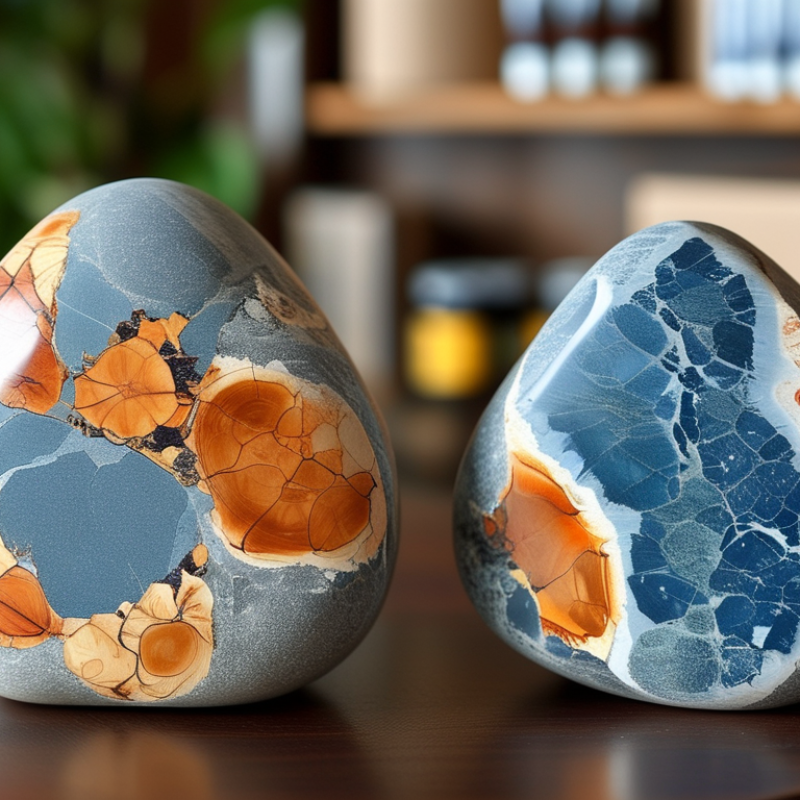
Aroma stones are small, porous objects that release fragrance without heat, water, or electricity. They suit bedrooms, wardrobes, desks, cars, and hospitality spaces. Ceramic and plaster remain common materials because they absorb essential oils efficiently. Volcanic stone offers a rougher surface and a more natural appearance. Wood, clay, and mineral composites are also used, but their absorption rates can differ considerably.

Material choice affects performance, safety, and shipping costs. Ceramic stones usually provide consistent shapes and stronger durability. Plaster can be economical, yet it may chip during transport or leave fine dust. Buyers should request material specifications, oil compatibility data, and sample testing. A practical test measures scent retention after several days, not just the first hour.

Packaging also matters. Individual paper boxes, sealed bags, and protective inserts reduce breakage and contamination.

The global aroma stone market is growing with interest in low-energy home fragrance and wellness products. Demand comes from online retailers, gift suppliers, spas, hotels, and private-label distributors. Europe and North America often emphasize design, documentation, and responsible packaging. Asian markets remain important for manufacturing scale and flexible customization.

However, market data is not perfectly standardized, and supplier claims deserve careful checking. Buyers should review production capacity, minimum order quantities, lead times, inspection procedures, and chemical documentation. A beautiful sample can still hide uneven absorption or weak packaging. That is where many purchasing decisions need more reflection.


How to Evaluate Aroma Stone Suppliers for International Purchasing

When comparing aroma stone suppliers for international purchasing, inspect the product before discussing price. Request samples from different batches. Check surface porosity, weight, color consistency, and fragrance absorption. A reliable stone should absorb evenly without leaving oily patches. I once saw a sample perform well in a showroom but crack during humid storage. That mistake made packaging evaluation essential.

Ask suppliers for clear material specifications, safety documentation, and test records from recognized laboratories. Confirm whether pigments, coatings, and fragrance-contact materials meet the regulations of your destination market. Do not accept vague claims such as “eco-friendly” without supporting evidence. Review production capacity, minimum order quantity, mold options, and quality-control procedures. Photos are useful, but inspection reports are stronger. Small details matter.

International delivery requires practical questions. How are stones protected from dust, impact, and moisture? Can the supplier provide carton dimensions, pallet details, and accurate lead times? Request a pilot order before committing to large volume. Compare the delivered cost, not only the factory quotation. Communication speed also reveals operational discipline, although it is not perfect evidence. A supplier may answer quickly and still miss defects. Record agreed specifications in writing, including color tolerance, breakage allowance, labeling, and replacement terms. Recheck everything before payment.

Top 10 Aroma Stone Suppliers Compared by Products and Capabilities

Top 10 Aroma Stone Suppliers Compared by Products and Capabilities

Global buyers should compare aroma stone suppliers beyond price. The strongest suppliers usually offer ceramic stones, plaster stones, volcanic stones, or porous mineral blends. Some focus on private-label shapes, while others provide ready-made gift sets. Production capability matters too. Check molding accuracy, surface consistency, scent absorption, and packaging control. A supplier with in-house testing may reduce quality surprises. Yet even experienced suppliers can have uneven batches.

Among the top ten supplier profiles, one specializes in miniature diffuser stones for drawers. Another produces larger decorative stones for rooms. A third offers custom colors and engraved shapes. Two suppliers focus on rapid sampling and flexible minimum orders. One has stronger export packaging for humid climates. Another provides fragrance-free stones for later filling. One combines stones with trays and cotton bags. The final two compete through stable production capacity and inspection records. Their products may look similar, but their capabilities differ sharply.

Tips: Request samples from at least three suppliers. Test absorption after twenty-four hours. Inspect edges, dust, odor, and color variation. Ask for material details and recent inspection photos. Confirm carton strength before shipment. Do not trust polished catalogs alone. I once underestimated moisture protection, and damaged packaging changed the buyer’s impression quickly. A small trial order is often wiser than a large promise.

Top 10 Aroma Stone Suppliers for Global Buyers

Top 10 Aroma Stone Suppliers Compared by Products and Capabilities

The chart presents an anonymized comparison of ten aroma stone supplier profiles using a 1–5 capability scale. The evaluation dimensions reflect commonly requested buyer criteria: product range, customization, minimum-order flexibility, export readiness, and compliance documentation. Higher scores indicate broader or stronger publicly verifiable capabilities; they are intended for initial sourcing comparison rather than final supplier qualification.

Global Buyer Guide to Quality, Customization, Pricing, and Certifications

Top 10 Aroma Stones Suppliers for Global Buyers?

A reliable top-ten supplier shortlist should begin with material evidence, not attractive photos. Aroma stones are commonly made from porous ceramic, gypsum, or mineral-based compounds. Buyers should request absorption tests, surface uniformity records, and fragrance compatibility results. A polished sample can still mislead. Ask for production samples from different batches.

The market context is promising. Grand View Research valued the global essential oils market at approximately USD 8.8 billion in 2023, with strong projected growth through 2030. This supports continued demand for home fragrance accessories, including aroma stones. However, the report covers essential oils, not aroma stones directly. That distinction matters. Supplier comparisons should separate market enthusiasm from verified product performance.

Customization affects both price and risk. Confirm mold fees, minimum order quantities, packaging materials, color tolerances, and lead times in writing. Request a full quotation covering testing, export cartons, and freight separately. For international purchasing, check ISO 9001 quality systems, REACH-related material declarations, RoHS relevance, and laboratory reports for coatings or pigments. Certifications must match the destination market and product composition. Do not accept copied certificates.

A practical supplier audit can include factory photographs, batch codes, moisture protection, and a small pilot order. Packaging should prevent chipped edges and fragrance contamination.

Pricing is rarely the cheapest at the start. Custom molds and low volumes usually raise unit costs. I would also question unusually fast delivery claims; they may hide weak inspection steps.

Ordering, Shipping, and Risk Management for Aroma Stone Imports

Aroma stone imports require more than comparing supplier prices. Porous materials can absorb moisture, odors, and dust during storage. Request production samples before approving a larger order. Check surface finish, weight tolerance, absorption performance, packaging strength, and batch consistency.

UNCTAD’s Review of Maritime Transport 2023 reports that over 80% of global merchandise trade by volume moves by sea. This makes freight planning essential for bulky, fragile stone products. Ask suppliers for carton dimensions, pallet details, loading photos, and verified gross weight. Compare FOB, CIF, and DDP quotes carefully. A low unit price can hide port fees, customs charges, insurance, and inland delivery costs. Use moisture barriers, corner protection, and shock-resistant cartons. Add clear handling labels.

The World Bank’s 2023 Logistics Performance Index assessed 139 economies across customs, infrastructure, tracking, and delivery reliability. These indicators help buyers compare sourcing countries, but they do not replace supplier checks. Confirm company registration, export experience, payment terms, and inspection procedures. Use a small trial shipment before committing to ten suppliers or multiple containers. Independent pre-shipment inspection can verify quantity and visible defects. Keep photographs, invoices, packing lists, and transport records together. Risk remains.

I would also review the agreed HS classification with a qualified customs professional. Classification errors can delay clearance or change landed costs. No checklist is perfect. Some damage appears only after unpacking and humidity exposure. A modest contingency budget is wiser than assuming every shipment will arrive clean, dry, and complete.

Top 10 Aroma Stones Suppliers for Global Buyers? - Ordering, Shipping, and Risk Management for Aroma Stone Imports

Rank Anonymous Supplier Profile Primary Production Region Typical Material and Product Range Indicative MOQ Sample Lead Time Mass Production Lead Time Common Shipping Options Common Incoterms Documents to Request Before Payment Main Import Risk Recommended Buyer Control
1 Supplier Profile 01
High-volume ceramic OEM
East Asia Porous ceramic Glazed ceramic Custom shapes 500–1,000 units per design 7–12 calendar days 25–40 calendar days after artwork approval Courier for samples; sea freight for commercial orders; air freight for urgent replenishment FOB, FCA, CIF Commercial invoice, packing list, product specification, pre-shipment inspection report, country-of-origin information Color variation and breakage during transport Approve a sealed golden sample; define acceptable color tolerance; use carton drop testing and protective inner packaging
2 Supplier Profile 02
Handmade stoneware workshop
South Asia Stoneware Hand-finished Small-batch designs 100–300 units per design 10–18 calendar days 35–55 calendar days Courier or air freight for samples; consolidated sea freight for small commercial batches EXW, FOB Pro forma invoice, material declaration, production photos, carton dimensions, inspection checklist Inconsistent dimensions and longer production cycles Use a tolerance sheet for dimensions, weight, finish, and absorbency; schedule an in-process inspection before final glazing
3 Supplier Profile 03
Natural mineral composite manufacturer
East Asia Diatomite composite Mineral powder Unsealed porous finish 1,000–3,000 units per SKU 8–15 calendar days 30–45 calendar days Sea freight in full-container or less-than-container loads; rail or air for selected markets FCA, FOB, CIF Technical data sheet, safety data sheet where applicable, composition statement, invoice, packing list, export declaration Dusting, moisture absorption, and uncertain tariff classification Confirm the HS classification with a customs broker; request moisture-resistant packaging and a composition test before shipment
4 Supplier Profile 04
Private-label fragrance accessory OEM
Southeast Asia Ceramic diffuser stones Gift sets Printed packaging 300–800 finished sets 10–14 calendar days 35–50 calendar days Courier for prototypes; sea freight for retail orders; air freight for launch quantities FOB, FCA, DAP by quotation Artwork proof, packaging specification, carton test report, commercial invoice, packing list, inspection report Packaging artwork errors and incorrect retail labeling Require a signed artwork proof, barcode verification, destination-market label review, and a final pre-shipment sample
5 Supplier Profile 05
Low-MOQ artisan exporter
Eastern Europe Porcelain Ceramic beads Small decorative forms 50–150 units per design 5–10 calendar days 20–35 calendar days Courier and parcel services for small orders; road freight within nearby markets; air freight for urgent orders EXW, FCA, DAP Invoice, packing list, origin statement, product dimensions, breakage-replacement policy Higher unit cost and limited capacity during peak seasons Place a pilot order before committing to seasonal volume; agree on a capacity reservation and replacement process
6 Supplier Profile 06
Large-scale molded ceramic producer
East Asia Molded ceramic Logo-free blanks Standard shapes 2,000–5,000 units per SKU 7–10 calendar days 25–35 calendar days Sea freight for planned inventory; air freight for replenishment with a higher landed cost FOB, CFR, CIF Purchase contract, mold ownership terms, production schedule, inspection report, invoice, packing list Mold fees, tooling ownership disputes, and excess production State mold ownership in the contract; prohibit overproduction without written approval; verify quantity by random inspection
7 Supplier Profile 07
Eco-focused porous material supplier
South Asia Natural clay Uncoated material Plastic-reduced packaging 500–1,500 units per SKU 12–20 calendar days 40–60 calendar days Sea freight preferred; consolidated freight for trial quantities; courier for development samples FOB, CFR Material declaration, packaging declaration, product specification, factory audit records, invoice, packing list Sustainability claims that are not adequately documented Request evidence for recycled or natural-content claims; avoid unverified environmental wording in marketing materials
8 Supplier Profile 08
Premium design-led ceramic producer
Western Europe Fine ceramic Premium finish Retail-ready packaging 100–500 units per design 10–15 calendar days 30–50 calendar days Road freight for regional markets; courier or air freight for samples; sea freight for distant destinations EXW, FCA, DAP Technical specification, declaration of conformity where applicable, invoice, packing list, packaging test evidence Higher landed cost and longer replenishment distance Compare total landed cost rather than unit price; maintain safety stock and confirm delivery responsibility under the selected Incoterm
9 Supplier Profile 09
Custom mold and rapid-prototyping supplier
East Asia Custom ceramic forms Prototype tooling Small trial runs 100–500 units after prototype approval 15–25 calendar days including prototype tooling 35–60 calendar days Courier for prototypes; air freight for small launches; sea freight after demand validation EXW, FCA, FOB CAD drawing approval, tooling quotation, mold ownership clause, sample sign-off, invoice, packing list Design interpretation errors and unplanned tooling charges Use dimensioned drawings and a formal sample approval; separate tooling payment from product payment and document revision limits
10 Supplier Profile 10
Regional fulfillment and private-label assembler
North America Imported ceramic components Final assembly Multi-pack orders 250–1,000 finished packs 7–14 calendar days 20–35 calendar days when components are in stock Domestic parcel or truck freight; international air or sea freight for replenishment FCA, DAP, DDP by quotation Assembly specification, inventory report, invoice, packing list, country-of-origin details for components, quality records Unclear country of origin and dependency on imported components Request a component-origin matrix; confirm who is importer of record; audit inventory availability before placing a launch order
Buyer planning note: MOQ, pricing, lead time, freight mode, Incoterms, customs classification, and documentation requirements vary by material, destination market, season, and order configuration. Treat the figures above as indicative procurement benchmarks and verify all commercial, regulatory, and shipping details directly before placing an order.