Leave Your Message

10 Best Aromatherapy Candle Suppliers for Global Buyers

Finding dependable Aromatherapy Candle suppliers requires more than attractive packaging and pleasant fragrance claims. Global buyers need evidence of consistent wax quality, safe fragrance use, stable production, and responsive communication. A candle may look premium in a studio photograph, yet tunnel badly or produce uneven scent in a real room. Small details matter. Think clean labels, secure lids, accurate burn-time guidance, and cartons that survive ocean transit. This guide introduces ten suppliers worth examining for wholesale, private-label, and retail programs. Their value depends on your market, order size, and product brief.

We assess supplier experience through manufacturing history, export capability, sampling practice, and quality-control procedures. We also consider wax options, wick testing, fragrance development, customization, minimum order quantities, and lead times. Reliable companies should explain material sources and provide current safety documentation for relevant markets. Buyers should independently verify claims, request samples, and test performance under expected conditions. A polished catalog is not proof of dependable production. It is only a starting point.

The selection is designed for practical comparison, not blind endorsement. Some suppliers may excel at natural wax, while others offer stronger private-label support or flexible packaging. No factory fits every buyer. Even experienced sourcing teams can overlook scent consistency between batches or unexpected freight costs. That is where careful questions help. Use this overview to narrow your shortlist, then confirm specifications directly before placing a commercial order. Good sourcing is patient, measurable, and occasionally imperfect.

10 Best Aromatherapy Candle Suppliers for Global Buyers

What Defines a Reliable Aromatherapy Candle Supplier

A reliable aromatherapy candle supplier is not defined by attractive photographs alone. Experienced buyers inspect wax composition, wick performance, fragrance documentation, and factory consistency. Ask for recent batch records, safety data, and clear ingredient information. A dependable supplier should explain whether candles use soy, beeswax, paraffin, or blended wax. They should also disclose fragrance load and recommended burning time. Test samples in a quiet room, then record soot, tunneling, scent throw, and jar temperature. Small details often expose weak quality control.

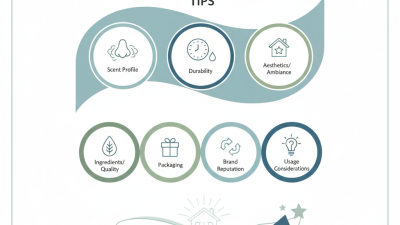
Tips: Request three samples from different production dates. Compare labels, fill levels, wick placement, and burn behavior. Confirm packaging can protect glass during long-distance transport. Check whether the supplier provides realistic production times and responds to difficult questions. Vague answers are useful warning signs. Still, one failed sample should not end the evaluation. Shipping damage or storage conditions may distort results.

Professional suppliers welcome independent inspections and maintain traceable quality procedures. They can discuss allergen statements, product testing, and responsible sourcing without making exaggerated wellness claims. Ask how complaints are logged and corrected. A supplier with experience should offer practical solutions, not polished promises. Payment terms, minimum order quantities, and customization limits must be written clearly. I would also request a small pilot order before committing to a large shipment. It costs more initially, but it reveals communication gaps early. No evaluation is perfect. Human error remains possible.
How the Top Ten Suppliers Compare Across Global Buying Criteria

A practical comparison of the ten leading aromatherapy candle suppliers should begin with product consistency. I would request identical samples from each supplier and record wax texture, scent strength, burn time, and jar temperature. Samples reveal much. A pleasant fragrance is not enough if the flame tunnels or the label peels after one week.

Pricing also needs careful examination. The lowest unit cost may hide high minimum order quantities, expensive molds, or weak export packaging. Compare prices at 500, 2,000, and 10,000 units. Review lead times, payment terms, replacement policies, and production capacity. Suppliers using soy, coconut, or blended waxes should provide clear material details. Fragrance documentation and stable batch records support professional purchasing decisions.

Global delivery separates capable suppliers from attractive sellers. Check carton strength, pallet dimensions, barcode options, and destination-port experience. Reliable suppliers usually provide inspection photos, test reports, and accurate commercial documents. Communication speed matters too, especially when correcting a scent sample or changing a warning label. However, supplier claims should not be accepted without verification. One weakness in this comparison is that online reviews may reflect small orders, not long-term performance. Seasonal delays can also distort lead-time ratings. A fair buyer should score quality, compliance support, logistics, customization, and service separately, rather than choosing by price alone.

10 Best Aromatherapy Candle Suppliers for Global Buyers

How the top ten suppliers compare across global buying criteria. The index uses procurement dimensions commonly assessed by international buyers, including compliance, export readiness, customization, minimum order flexibility, lead-time reliability, and sustainability.

The scores are normalized benchmark values on a 0–100 scale. Higher scores indicate stronger suitability for international wholesale purchasing.

Product Quality, Ingredients, Safety, and Manufacturing Standards

Global buyers need more than attractive scent descriptions. The best aromatherapy candle suppliers prove quality with repeatable records. Request raw-material specifications, batch COAs, SDS files, and wick-test results. A supplier should identify wax type, fragrance load, essential-oil percentage, and manufacturing location. “Natural” is not a complete quality claim. It can still describe a poorly controlled formula. Look for traceable lot codes and retained samples.

Ingredient Safety Ingredient safety deserves practical scrutiny. Ask whether fragrance materials follow current IFRA Standards for candle applications. Verify allergen disclosures for the destination market, especially when products enter European markets. ECHA guidance under REACH can affect classification, labeling, and documentation. Avoid suppliers providing only decorative certificates. Independent testing should check burn time, vessel temperature, soot, flame height, and extinguishing behavior. Small details matter.

Manufacturing Discipline Manufacturing discipline protects buyers and households. NFPA’s Home Candle Fires report estimates 5,910 U.S. home structure fires began with candles annually from 2016 to 2020. That figure makes factory controls impossible to ignore. Ask for ASTM-aligned testing, production inspection records, and corrective-action history. Check whether operators quarantine defective batches. Do not rely on one impressive sample. Samples can look perfect. Mass production may not. A serious supplier welcomes an audit, explains deviations, and shows measurable improvements.

Wholesale Options, Customization, Minimum Orders, and Certifications

Global buyers should screen aromatherapy candle suppliers beyond price. Fortune Business Insights valued the global candle market at USD 12.88 billion in 2023. It projects USD 20.08 billion by 2032. This growth increases pressure on factories to offer stable wholesale supply, not only attractive samples.

Ask each supplier for a clear minimum order quantity, lead time, and price ladder. A 500-unit MOQ may suit testing, while 5,000 units can reduce unit costs. Custom options should include wax type, fragrance strength, vessel color, label size, lid material, and carton design. Request a pre-production sample. Small details matter. A weak wick can create soot, tunneling, or uneven fragrance release. Grand View Research identifies wellness use and home fragrance as major aromatherapy market drivers, but buyer demand still varies across regions.

Certifications require careful checking. Request current ISO 9001 documentation, ingredient declarations, safety data sheets, and fragrance compliance statements. Finished candles may also need testing against relevant ASTM or EN standards, depending on the destination market. Do not treat a logo as proof. Verify the certificate number and issuing body. I would also inspect batch records and burn-test results, although these documents are sometimes incomplete. That imperfection deserves attention before signing a large wholesale order.

10 Best Aromatherapy Candle Suppliers for Global Buyers - Wholesale Options, Customization, Minimum Orders, and Certifications

Supplier Profile Primary Manufacturing Region Wholesale Product Range Wax and Fragrance Options Private Label and Customization Typical MOQ Sample Lead Time Bulk Lead Time Common Export Documents Commonly Requested Certifications and Compliance Best Suited For
Supplier Profile 01 East Asia Scented jar candles, travel tins, wax melts, gift sets Soy, paraffin, beeswax blends; essential-oil and fragrance-oil options Label design, box printing, scent development, vessel selection 500–1,000 units per design 7–12 business days 30–45 days Commercial invoice, packing list, certificate of origin, safety data sheet REACH supportCLP labeling supportBSCI available on request Retail chains and online wholesalers
Supplier Profile 02 South Asia Hand-poured glass candles, botanical candles, decorative vessels Soy and coconut wax; natural essential-oil blends; cotton wicks Custom fragrances, botanical inclusions, printed labels, gift packaging 300–800 units per fragrance 10–15 business days 35–50 days Commercial invoice, packing list, fumigation documentation when applicable IFRA documentationSDS availableGMP practices Natural-product stores and wellness brands
Supplier Profile 03 Central Europe Premium soy candles, amber-glass candles, aromatherapy gift collections European soy and rapeseed wax; essential oils; wooden or cotton wicks Small-batch private label, custom scent briefs, packaging coordination 200–500 units per SKU 8–14 business days 25–40 days Commercial invoice, packing list, EU product documentation, SDS REACHCLPGPSR preparation European boutiques and premium gift retailers
Supplier Profile 04 North America Container candles, massage candles, spa gift sets, room-fragrance bundles Soy, coconut-soy, and plant-based blends; essential oils and compliant fragrance oils Custom vessel colors, branded labels, scent matching, subscription-box packing 250–750 units per SKU 10–15 business days 30–45 days Commercial invoice, packing list, SDS, country-of-origin statement ASTM testing supportIFRA certificatesCPSIA review when applicable Subscription services and spa distributors
Supplier Profile 05 Southeast Asia Coconut-shell candles, tropical botanical candles, resort gift sets Coconut, soy, and beeswax blends; lemongrass, eucalyptus, lavender, and citrus profiles Natural-material packaging, custom scent combinations, resort branding 500–1,500 units per design 12–18 business days 35–55 days Commercial invoice, packing list, certificate of origin, packing-material documents BSCI available on requestFSC packaging optionsSDS Hotels, resorts, and tourism retailers
Supplier Profile 06 Southern Europe Olive-wax candles, ceramic candles, Mediterranean aromatherapy collections Olive, soy, and rapeseed wax; herbal, floral, and citrus essential-oil blends Custom ceramics, embossed packaging, fragrance selection, seasonal collections 300–600 units per design 10–16 business days 30–45 days Commercial invoice, packing list, certificate of origin, SDS, technical data sheet REACHCLPISO 9001 may be available Home décor distributors and concept stores
Supplier Profile 07 East Asia Mass-market jar candles, tealights, pillar candles, promotional sets Paraffin, soy, and blended waxes; standard and custom fragrance libraries High-volume label printing, custom molds, retail-ready cartons, barcode application 1,000–5,000 units per SKU 7–10 business days 25–40 days Commercial invoice, packing list, certificate of origin, test reports when required ISO 9001BSCI or Sedex audit optionsREACH support Supermarkets and large-volume importers
Supplier Profile 08 North Africa Handcrafted glass candles, ceramic containers, artisan gift boxes Soy and vegetable wax; floral, resinous, spice, and citrus fragrance profiles Hand-finished decoration, custom gift boxes, label application, limited editions 250–700 units per design 12–20 business days 35–60 days Commercial invoice, packing list, certificate of origin, SDS, export documentation REACH supportIFRA documentationSocial-audit options Artisan retailers and cultural gift distributors
Supplier Profile 09 Oceania Native-botanical candles, wellness candles, eco gift sets Soy, coconut, and beeswax; eucalyptus, tea tree, lavender, and native botanical profiles Custom scent development, recycled packaging, branded inserts, gift-set assembly 200–500 units per SKU 10–15 business days 30–50 days Commercial invoice, packing list, SDS, ingredient and allergen information IFRA certificatesFSC packaging optionsCruelty-free declarations Eco-conscious brands and wellness retailers
Supplier Profile 10 Eastern Europe Rapeseed-wax candles, unscented candles, aromatherapy gift boxes Rapeseed, soy, and beeswax blends; essential oils and low-allergen fragrance options Private-label production, custom wick testing, label design, seasonal packaging 300–1,000 units per SKU 8–14 business days 28–45 days Commercial invoice, packing list, certificate of origin, SDS, technical data sheet REACHCLPISO 9001 may be available Pharmacies, wellness distributors, and specialty retailers

Note: MOQ, lead time, customization scope, and certification availability vary by product specification, packaging requirements, destination market, and order volume. Buyers should request current quotations, test reports, SDS files, and certification copies before placing an order.

Shipping, Compliance, Pricing, and Supplier Selection Guidance

The global aromatherapy candle market is expanding, but supplier selection needs more than attractive fragrance samples. Grand View Research estimates the aromatherapy market reached about USD 8.8 billion in 2023. Meanwhile, Fortune Business Insights valued the global candle market at approximately USD 12.9 billion. Demand is strong. Quality expectations are rising too.

For a ten-supplier shortlist, request a full landed-cost quote. It should include wax, vessel, fragrance, cartons, export packing, freight, insurance, and duties. Compare minimum order quantities with your sales forecast. A low unit price can hide expensive breakage. Ask for pre-shipment photos and a small pilot order. Real handling experience matters.

Compliance must be documented, not promised. Request fragrance safety information, ingredient disclosures, SDS documents, batch traceability, and test records for burn performance. EU-bound goods may require REACH and CLP checks, including fragrance allergen information where applicable. Other markets may require different warning labels and packaging rules. Use recognized testing laboratories when risk is unclear. The International Fragrance Association publishes standards that can support fragrance review, but it does not replace local legal assessment.

Shipping deserves practical questions. Can the supplier control heat exposure during summer transit? Are cartons moisture-resistant? Who handles damaged units? Pricing should be reviewed annually, because wax, glass, freight, and currency costs change. I would not trust perfect claims. Supplier audits, clear contracts, and repeat samples often reveal more than polished catalogs.