How to Choose the Best Car Aroma Diffuser for Your Needs?
Choosing the right Car Aroma Diffuser can enhance your driving experience significantly. According to a recent market report by Grand View Research, the global automotive aroma diffuser market size is expected to reach $1.83 billion by 2027, reflecting an increasing interest among consumers for a pleasant in-car environment. With various options available, selecting the best diffuser depends on personal needs and preferences.
Expert Dr. Emily Turner, an authority in automotive wellness, states, "The right aroma can positively impact mood and alertness while driving." This highlights the importance of choosing a diffuser that not only disperses essential oils but also fits seamlessly within your vehicle. Factors such as size, battery life, and design matter, but personal scent preferences can make or break the experience.
However, many consumers face overwhelming choices. Some diffusers are complicated or ineffective. Others may not suit all vehicles. It's important for potential buyers to consider their specific requirements, like fragrance strength and duration. By understanding these aspects, they can make a more informed decision on which Car Aroma Diffuser is best for their needs.
Understanding Car Aroma Diffusers: Types and Designs
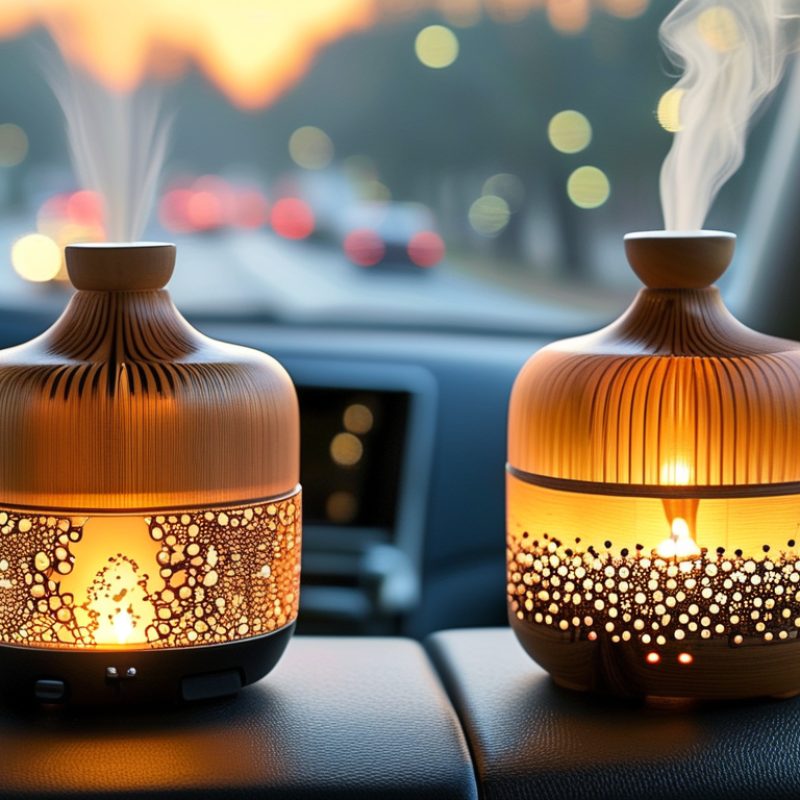
Car aroma diffusers come in various types and designs, each catering to different preferences and needs. The two main categories are passive and active diffusers. Passive diffusers typically use natural reeds or pads to absorb and release fragrance. They require no power source, making them easy to use and maintain. However, they may not provide the intensity of scent that some users desire.
Active diffusers, on the other hand, use heat or ultrasonic technology to disperse essential oils throughout your car. They often come in the form of plug-in devices that connect to the vehicle's power outlet. The advantage of active diffusers is their adjustable settings, allowing you to control the fragrance intensity. However, they can be more complex and may require additional maintenance.
When considering a car aroma diffuser, think about your lifestyle and preferences. If you enjoy subtle, continuous scents without fuss, a passive diffuser might suit you better. Alternatively, if you prefer stronger scents and customization, an active diffuser could be the right choice. Reflect on how often you drive and how scent impacts your mood. Your choice should enhance your driving experience while also reflecting your personal style and needs.
Key Features to Consider When Selecting a Car Aroma Diffuser
Choosing the right car aroma diffuser involves considering key features that suit your needs. One essential aspect is the diffuser type. There are evapoarative, ultrasonic, and heat-based diffusers. Each type offers unique benefits. For instance, ultrasonic diffusers use water and essential oils to create a fine mist. This design can increase humidity and improve air quality, which is crucial during dry seasons.
Another important factor is the diffuser's size and capacity. According to a recent industry report, compact models tend to be more portable, making them ideal for small vehicles. The average car's interior space often requires a device with sufficient output. Some diffusers have small water tanks, limiting their operation time. If you frequently travel long distances, consider a model with a larger capacity for prolonged fragrance.
Noise level is also crucial. Some models generate noticeable sounds that can be distracting. A study by the National Sleep Foundation highlights that distractions during driving can lead to stress or accidents. Aim for diffusers designed to operate quietly. Additionally, check for ease of use. A simple control system is preferred. Look for features like adjustable settings for mist intensity. This flexibility can greatly enhance your driving experience while ensuring your focus remains on the road.
How to Choose the Best Car Aroma Diffuser for Your Needs?
| Feature |
Description |
Considerations |
| Size |
Compact design suitable for car interiors |
Ensure it fits in cup holders or dash space |
| Power Source |
Plug-in, USB, or battery-operated options |
Choose based on convenience and vehicle setup |
| Diffusion Method |
Ultrasonic, heat, or nebulizing |
Consider fragrance strength and longevity |
| Material |
Plastic, glass, or wood constructions |
Durability and aesthetic compatibility |
| Price Range |
Varied prices based on features and brand |
Determine budget versus desired features |
| Ease of Use |
Simple operation and maintenance |
User-friendly interface and easy refills |
| Fragrance Options |
Essential oils or synthetic scents |
Personal preference for aroma types |
Choosing the Right Essential Oils for Your Car Aroma Diffuser
Choosing the right essential oils for your car aroma diffuser can greatly enhance your driving experience. Essential oils like lavender, lemon, and eucalyptus are popular for their calming and refreshing properties. Research indicates that scents can influence mood and concentration. For instance, studies suggest that lavender can reduce stress by up to 30%, making it an ideal choice for long commutes.
Not all oils are created equal. The quality and purity of essential oils can vary significantly. Look for oils that are 100% pure, without additives. Poor quality oils may lead to respiratory issues or an unpleasant scent. Additionally, some essential oils can evoke strong memories or emotions. Citrus oils might remind you of summers, while pine oil could bring a sense of the outdoors, making your ride more enjoyable.
It's also important to consider your personal preferences and any potential sensitivities. Some individuals may find certain scents too overwhelming, leading to distractions on the road. While experimenting, keep in mind the balance between effectiveness and comfort. Not every oil works for everyone, and it may take time to find the perfect blend. Your choices should be based on both intuition and research. The goal is a pleasant driving environment that reflects your taste and enhances your journey.
Evaluating Size and Portability for Your Car Aroma Diffuser
Choosing the right car aroma diffuser involves careful consideration of size and portability. You want a device that fits snugly without taking over your car’s interior. Compact models are often the most practical. They can be easily placed in cup holders or mounted on air vents. However, it’s essential to ensure that they do not obstruct your view or distract you while driving.
Portability is another critical factor. Look for diffusers that are lightweight and easy to move. This allows you to switch between vehicles or even take it into your home or office. Some models have rechargeable batteries, giving you flexibility without worrying about cords. A diffuser that's too bulky may end up being a hassle rather than a joy.
While size and portability are vital, remember that functionality matters too. Not all small diffusers provide the same level of aroma dispersion. It’s worth checking reviews or expert recommendations to balance these features. The perfect diffuser should not only fit well but also deliver a pleasant scent in the car. Finding this balance can be challenging, but experimenting with different options can lead to the best decision for your needs.
Maintenance Tips for Longevity of Your Car Aroma Diffuser
Regular maintenance of your car aroma diffuser can extend its lifespan significantly. According to industry research, a well-maintained diffuser can last up to 50% longer than one that is neglected. Start by cleaning your diffuser weekly. Use a mix of water and white vinegar to eliminate residue. Vinegar is excellent for breaking down oil buildup, ensuring optimal performance.
When adding essential oils, less is often more. Overuse can lead to clogging or burnt scents. It's recommended to use essential oils sparingly, about five to ten drops per use, depending on the diffuser's capacity. Also, consider the humidity and temperature inside your car. Extreme fluctuations can affect the diffuser’s functionality and damage certain components.
Inspect the power source periodically. Battery-operated diffusers can suffer from battery corrosion if not checked regularly. If you notice any leaks or unusual smells, address them immediately. This proactive approach ensures that your car aroma diffuser remains reliable and enjoyable for your daily drives. The goal should be a pleasant atmosphere, without the worry of malfunctioning devices.