Leave Your Message

Who Are the Top Aromatherapy Candle Manufacturers in China?

China’s aromatherapy candle sector ranges from established home-fragrance factories to smaller specialists offering custom scents and packaging. A polished catalogue is only a starting point. Buyers should examine wax consistency, fragrance documentation, wick selection, burn-test methods, production capacity, and sample quality. Details matter: a candle that tunnels in a test burn may disappoint even when its jar and label look refined.

Aromatherapy educator Robert Tisserand’s published safety guidance can be paraphrased simply: essential oils are concentrated materials and call for careful, informed use. That principle matters when assessing an Aromatherapy Candle, where fragrance choices, formulation, and clear product information all deserve attention. It is not enough to rely on broad claims such as “natural” or “therapeutic.” Ask manufacturers how they source ingredients, check batches, and describe intended use. Verify answers with documents and samples.

This guide explores who may qualify as a top Chinese manufacturer, rather than treating a ranking as settled fact. It considers product range, customization, quality controls, export experience, and responsiveness. No supplier is best for every project. A large factory may offer scale; a smaller workshop may communicate more directly. Sometimes neither fits. Use the comparisons as a starting point, then confirm current capabilities before placing an order.

Who Are the Top Aromatherapy Candle Manufacturers in China?

Understanding China's Aromatherapy Candle Manufacturing Industry

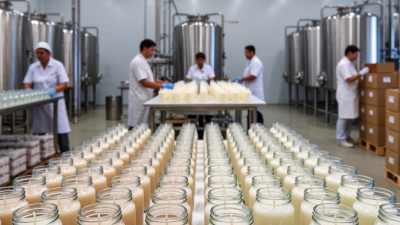
China’s aromatherapy candle manufacturing industry serves both domestic and export markets, with factories offering wax blending, fragrance selection, vessel sourcing, and packaging. Production capacity varies widely. Some workshops handle small custom runs, while larger facilities manage repeat orders with more standardized processes. Soy, paraffin, and blended waxes are common options, each affecting burn behavior and scent release.

A reliable supplier should explain how it checks wick size, fragrance consistency, and burn performance. Ask how samples are tested, how defects are recorded, and whether production batches are inspected before packing. A candle may look polished in a photograph, yet tunnel badly or lose its scent after storage. That gap deserves attention. Manufacturing skill matters, but clear communication and traceable quality checks matter too. It is also worth asking how the factory manages changes in wax or fragrance suppliers; even small substitutions can alter the finished candle.

Tips: Request a sample from the intended production process, not only a showroom piece. Test it in a draft-free room, note the melt pool after each burn, and compare several units. Keep expectations realistic: natural materials can show slight variation, and not every scent performs equally well in every wax.
How Aromatherapy Candle Manufacturers Are Evaluated

Evaluating aromatherapy candle manufacturers in China takes more than comparing price lists and product photos. Buyers should ask how fragrance blends are selected, how wax and wicks are matched, and whether each production batch follows documented checks. A useful factory visit might include reviewing a burn-test log, inspecting wick placement, and comparing finished candles from different batches. Small details matter.

Performance should be assessed under consistent conditions. Check whether candles burn evenly, produce excessive smoke, or leave thick residue on the container. Ask for test methods, sample records, and clear explanations of any variation. Fragrance strength is partly subjective, so written specifications help buyers compare samples more fairly. A pleasant first impression is not enough.

Reliable manufacturers can trace raw materials, explain quality-control steps, and respond clearly when a sample fails. Buyers can also review production experience, staff training, packaging protection, and communication during revisions. Do not treat a certificate or polished showroom as proof of every claim; verify relevant documents and request recent production samples. No scorecard is perfect. In practice, inspection time is limited, and some scent judgments remain personal. That uncertainty should be recorded, not ignored.

Leading Aromatherapy Candle Manufacturers in China

Leading aromatherapy candle manufacturers in China are judged by more than attractive packaging. Strong producers understand how wax type, wick size, and fragrance concentration affect a candle’s burn. They test samples in controlled conditions and check flame stability, scent release, and container temperature. Small details matter. A wick that is too wide can cause smoke or uneven melting.

Reliable factories typically document material specifications and batch checks. Buyers should ask for wax and fragrance details, sample approval procedures, production timelines, and quality inspection records. A clear answer is more useful than a broad promise. During sampling, note whether the candle burns evenly after several hours and whether the scent remains balanced when lit. Results can vary with room size and airflow.

Manufacturing is not perfectly uniform. Natural waxes may show slight surface changes, and fragrance perception differs from person to person. A capable supplier explains these limits and works through adjustments rather than promising identical results every time. Before a large order, confirm labeling, packaging, and agreed product specifications in writing. This makes comparison more practical and helps prevent avoidable surprises.

Who Are the Top Aromatherapy Candle Manufacturers in China? - Leading Aromatherapy Candle Manufacturers in China

Evaluation Dimension Industry Facts and Common Options What Buyers Should Verify
Wax Materials Aromatherapy candles may use paraffin, soy wax, beeswax, or blends. Wax choice affects the candle’s appearance, burn behavior, and compatibility with fragrance. Request the wax composition and supporting material documentation; confirm whether the product uses a single wax or a blend.
Fragrance and Essential Oils Fragrance oils and essential oils are both used in scented candles. Suitable fragrance loading depends on the wax, fragrance formulation, wick, and candle design. Ask for fragrance documentation, including applicable safety data, and evaluate the finished candle rather than relying only on the fragrance description.
Wick Selection Wicks may be made from cotton, wood, or other materials. Wick selection needs to match the candle’s wax, fragrance, diameter, and container. Request burn-test results for the specific formula and vessel, and check that the wick remains centered and performs consistently.
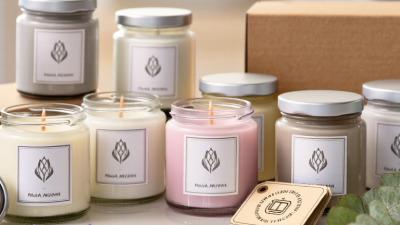
Containers and Packaging Common formats include container candles in glass or metal vessels, as well as molded candles. Packaging can be customized for retail or gift use. Confirm vessel specifications, heat suitability, packaging materials, labeling requirements, and transit-protection testing.
Production and Quality Control Candle production commonly includes wax preparation, fragrance blending, pouring or molding, cooling, wick trimming, finishing, and inspection. Ask how batches are identified and inspected, and request samples representative of the intended production specification.
Fire Safety Standards Relevant standards include ASTM F2417 for candle fire safety and EN 15493 for candle fire safety. Applicable requirements depend on the destination market and product. Check which standard and test method apply to the product and market; request current, product-specific test evidence where required.
Labels and Soot Performance EN 15494 covers candle safety labels, while EN 15426 addresses soot characteristics of indoor candles. Label and testing obligations vary by market. Review warning labels, language, and market-specific requirements; ask whether soot testing is relevant to the product being supplied.
Customization and Order Terms Custom options may include scent, wax blend, candle size, vessel, color, label, and gift packaging. Minimum order quantities and lead times differ by supplier and specification. Obtain written confirmation of the minimum order, sample process, production schedule, customization limits, and change-control terms.

Note: This is a supplier-evaluation guide, not a company ranking. Product specifications, test requirements, order quantities, and lead times vary by supplier and destination market.

Comparing Product Quality, Customization, and Production Capacity

Choosing an aromatherapy candle manufacturer in China requires more than comparing catalog photos. Ask how the supplier checks wax consistency, wick placement, and fragrance performance across batches. A clean, even melt pool matters. So does a stable flame without excessive soot. Request samples from the intended production process, not only showroom pieces, and test them in a well-ventilated room. Small details matter.

Customization can include vessel shape, wax color, scent strength, labels, and gift packaging. Confirm which options are genuinely adjustable and which require a new mold or larger order. A useful supplier will explain trade-offs plainly, such as how a heavier fragrance load may affect burning. Request written specifications and approve a pre-production sample. Even then, scent is subjective; one person’s “soft” may feel faint to another.

Production capacity should be checked against your actual schedule. Ask about monthly output, peak-season planning, sample timing, and how defects are handled. A large stated capacity does not guarantee consistent quality. A smaller factory may offer closer communication, but could struggle with a sudden volume increase. Compare quotations alongside lead times, inspection steps, and packaging details. A spreadsheet will not catch every difference, and supplier claims still need verification.

How to Choose a Chinese Aromatherapy Candle Manufacturer

Choosing a Chinese aromatherapy candle manufacturer takes more than comparing prices. Ask how the company controls wax, fragrance, wick, and vessel consistency between production batches. Request a sample made with your intended formula, then test it in a still room. Note flame height, soot, scent strength, and whether the wax melts evenly. Small details matter.

Review the manufacturer’s quality records and ask for fragrance documentation, material specifications, and batch traceability. Confirm its monthly capacity, lead time, packaging options, and process for handling defects. A factory visit or live video walkthrough can help you assess equipment and working practices. Still, a polished showroom is not proof of reliable production. I would verify claims against sample results and written terms; it takes extra time, but it can prevent costly surprises.

Tips: Burn-test several samples, not just one. Ask who pays for replacements if a batch fails inspection, and get the answer in writing. A supplier may sound confident, yet some details will remain uncertain until production begins.