Why Choose Glass Bottles for Your Packaging Needs?
In recent years, the demand for sustainable packaging solutions has surged. Glass bottles have emerged as a favored choice in various industries. According to a 2020 report by Smithers Pira, the global glass packaging market is expected to reach $70 billion by 2025. This growth reflects a broader trend toward environmentally friendly products.
Expert in packaging sustainability, Dr. Emma Reynolds, emphasizes the advantages of glass. She states, "Glass bottles not only preserve product integrity but also enhance consumer trust." Many consumers believe that glass is safer and more eco-friendly than plastic. Additionally, glass bottles are infinitely recyclable, providing a sustainable cycle that plastic cannot match.
Despite these advantages, challenges remain. The production and transportation of glass can be resource-intensive. Many companies must reflect on their supply chain logistics when switching to glass. Nevertheless, the benefits often outweigh the downsides, making glass bottles a compelling option for businesses aiming for sustainability and consumer loyalty.
Benefits of Glass Bottles Over Other Packaging Materials
Glass bottles have been gaining popularity in the packaging industry for various compelling reasons. One of the most significant benefits is their environmental impact. According to the Glass Packaging Institute, glass is 100% recyclable and can be recycled endlessly without loss in quality. This attribute helps reduce landfill waste and lowers carbon emissions. In contrast, plastic bottles contribute to long-term pollution, as they take hundreds of years to decompose.
Another advantage of glass bottles is their ability to preserve product quality. Research from the United Nations indicates that glass bottles maintain the integrity of beverages and food products better than plastic alternatives. Glass is non-porous and impermeable, ensuring that no chemicals leach into contents. This feature is especially critical for products sensitive to contamination, such as organic juices and craft beers. With consumers increasingly prioritizing health and safety, glass offers a trustworthy option.
However, it's essential to recognize that the production of glass bottles can be energy-intensive. This factor raises questions about sustainability. Balancing the need for effective packaging with environmental considerations remains a challenge. Thus, while glass bottles are robust and reliable, the industry must continuously strive for improvements in production efficiency.
Environmental Impact of Choosing Glass Bottles
Choosing glass bottles for packaging can significantly impact the environment. According to the Container Recycling Institute, glass is 100% recyclable and can be reused endlessly. This means less energy consumption in producing new materials. In fact, recycling glass saves over 30% of the energy needed to create new glass from raw materials.
Glass bottles also reduce carbon emissions. A study by the European Container Glass Federation indicates that using recycled glass can reduce CO2 emissions by up to 50%. However, it’s essential to consider the initial energy costs in producing new glass. Transportation of heavy glass can increase the carbon footprint as well.
Consumer preferences are shifting towards sustainable options. The 2022 Global Sustainability Study revealed that 72% of consumers prefer products with eco-friendly packaging. Despite this trend, some manufacturers struggle with the higher costs of glass compared to plastic. It’s an ongoing challenge to balance sustainability and affordability. Switching to glass requires a commitment that not every company is ready to make.
Cost-Effectiveness of Glass Bottles in the Long Run
Choosing glass bottles for packaging presents significant long-term cost benefits. Although the initial investment may be higher than plastic, glass offers durability and reusability. This leads to fewer replacements over time, providing savings that accumulate.
Glass bottles can maintain product quality better than many alternatives. They are less permeable, preventing interactions that could alter contents. This characteristic often reduces the need for preservatives. While costs of raw materials fluctuate, glass is recyclable and sustainable. This means fewer resources spent on producing new containers.
However, the heavier weight of glass can lead to higher shipping costs. Companies must consider these factors when planning logistics. Additionally, breakage is a concern, which could impact overall costs, especially during transport. It's crucial to weigh these challenges against the long-term benefits.
Why Choose Glass Bottles for Your Packaging Needs? - Cost-Effectiveness of Glass Bottles in the Long Run
| Feature |
Glass Bottles |
Plastic Bottles |
| Initial Cost |
Higher |
Lower |
| Durability |
High |
Moderate |
| Recyclability |
100% |
Limited |
| Shelf Life |
Longer |
Shorter |
| Environmental Impact |
Lower (when recycled) |
Higher |
| Aesthetic Appeal |
High |
Variable |
| Consumer Preference |
Often Preferred |
Less Preferred |
Health and Safety Considerations with Glass Packaging
Glass packaging is gaining popularity due to its health and safety benefits. According to a 2021 report by the Glass Packaging Institute, glass is 100% recyclable and does not leach chemicals. This attribute is crucial for food and beverage products. Unlike plastic, glass doesn’t affect the taste or purity of contents. Consumers are increasingly concerned about what they consume, driving the shift towards safer options.
Another important aspect is the durability of glass. While it may seem fragile, glass bottles are often more robust than perceived. Studies have shown that glass can withstand significant pressure and extremes in temperature. This means lower risks of contamination or breakage during transport. However, handling glass requires caution. Breakage can pose safety risks, leading to injury. Companies must ensure proper packaging and handling processes are in place to prevent accidents.
In the context of environmental impact, glass offers a sustainable choice. Its recyclability contributes to reduced waste in landfills. Nonetheless, the energy required for glass production is higher than plastic. This factor should prompt reflection on marketing glass as a more eco-friendly option. While glass bottles hold potential, businesses need to balance the benefits with their carbon footprint.
Aesthetic Appeal and Branding with Glass Bottles
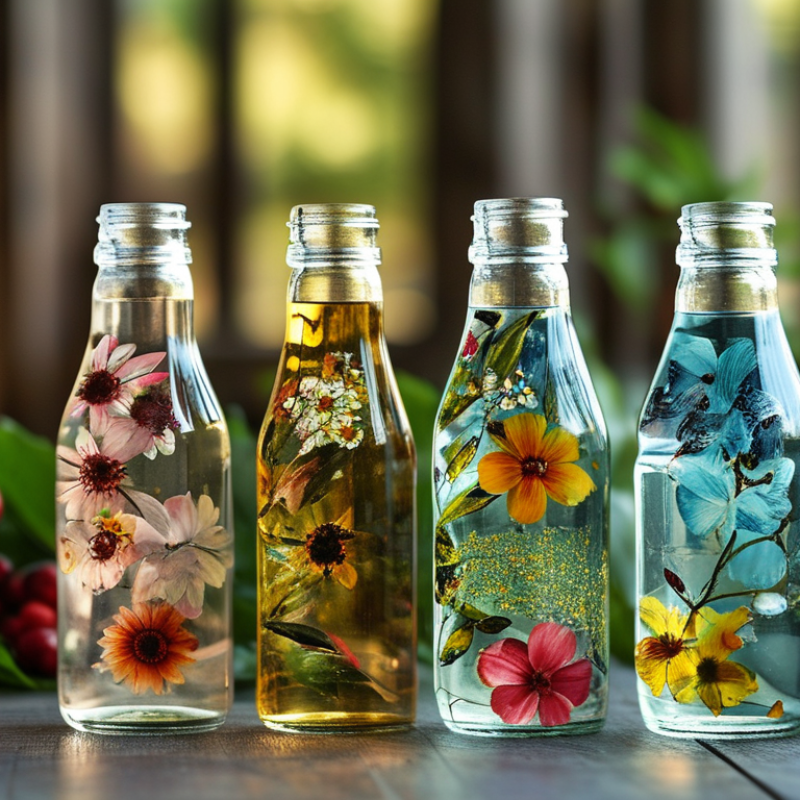
Glass bottles offer significant aesthetic appeal for brands aiming to enhance their image. Unlike plastic, glass is perceived as more premium. Research indicates that 72% of consumers believe packaging quality influences their purchasing decisions. The sleek and clear appearance of glass allows products to shine, creating an immediate visual impact on the shelf.
Moreover, glass bottles are versatile in design. They can be easily customized with unique shapes and colors. This customization plays a crucial role in branding. A study from the Packaging Association revealed that 67% of consumers are drawn to products with distinctive packaging. Glass also provides a tactile experience, which enhances brand interaction.
Despite these advantages, challenges remain. The weight of glass can lead to higher transportation costs. Also, breakage during shipping is a concern that cannot be overlooked. Brands must weigh the benefits of glass against these issues. The focus on sustainability in packaging trends means that glass's recyclability could outweigh these drawbacks. This shift might reshape how brands approach their packaging strategies in the future.