Leave Your Message

How to Choose the Best Aromatherapy Candle?

Choosing the right Aromatherapy Candle involves more than liking a beautiful jar. The fragrance, wax, wick, and burn quality all affect the experience. A candle may smell gentle in the box, yet become sharp or smoky after twenty minutes.

Aromatherapy expert Dr. Jane Buckle has written, “Aromatherapy is the controlled use of essential oils for therapeutic purposes.” Her definition encourages careful selection, not exaggerated promises. A candle should create a pleasant atmosphere. It should not claim to treat anxiety, insomnia, pain, or illness. Those claims deserve professional medical guidance.

Look at the label before buying. Check whether the scent uses essential oils, fragrance oils, or both. Examine the wax type and ingredient transparency. Soy, beeswax, and plant blends can burn differently. Cotton or wooden wicks also produce distinct flames and sounds. A stable flame matters. So does a clean melt pool after two hours.

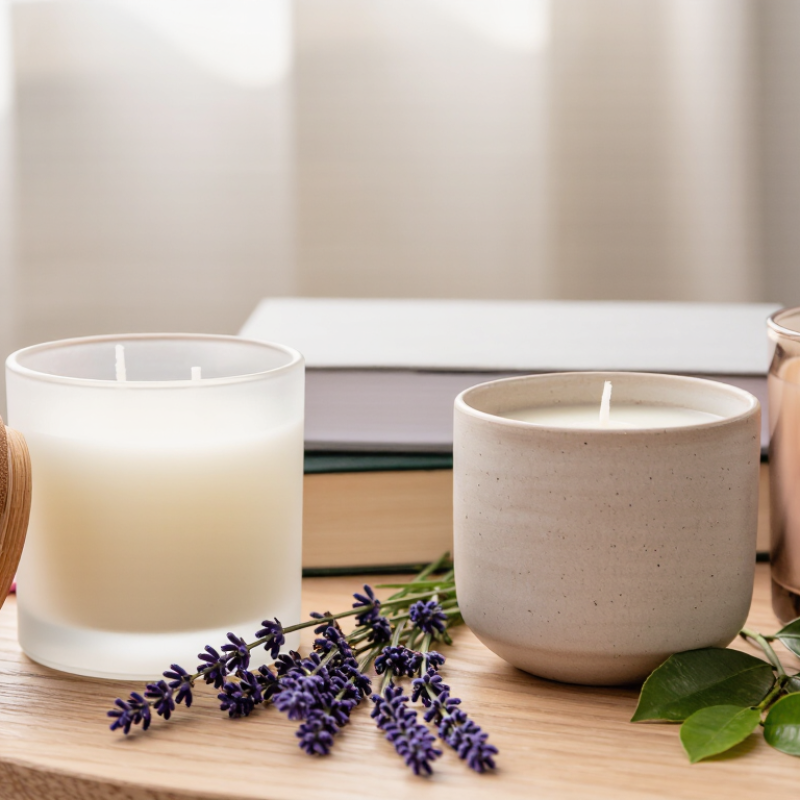
Start with a scent that fits the room. Lavender may suit a quiet bedroom, while citrus can feel brighter in a kitchen. Woody notes often work well in reading spaces. Personal preference still matters most. There is no universal “best” candle.

Burn the candle on a heat-resistant surface, away from curtains and drafts. Trim the wick before each use. Never leave it unattended. Some advice is easy to overlook. I often do.

A thoughtful buyer also considers burn time, vessel quality, scent strength, and responsible sourcing. The perfect Aromatherapy Candle is not simply the strongest one. It is the safest, clearest, and most comfortable choice for your space.
How to Choose the Best Aromatherapy Candle?

Understanding Aromatherapy Candle Types and Their Uses

Choosing an aromatherapy candle starts with its type, not its packaging. Wax affects burn time, scent release, and cleanup. Soy wax usually burns softly, while beeswax offers a mild honey note. Paraffin can carry strong fragrance, but quality and ventilation deserve attention. I prefer a candle with a steady flame and a readable ingredient list. No candle is perfect.

Single-note candles suit focused moments, such as lavender before bedtime or peppermint during desk work. Blended candles create broader moods, including floral, woody, citrus, or herbal profiles. Essential-oil candles may smell subtler than fragrance-oil candles. They should not be treated as medical treatment. A small candle works well beside a bath or reading chair. Larger jars suit open rooms, though too much scent can quickly feel tiring. Choose cotton wicks for a quieter burn, or wooden wicks for gentle crackling. The latter can be fussier.

Use the candle according to its purpose and your sensitivity. For sleep, avoid overly sharp scents and place the candle away from bedding. For entertaining, citrus and light herbs often feel welcoming without dominating conversation. Trim the wick to about five millimeters before lighting. Keep the flame away from drafts, children, and pets. Never leave it unattended. My own selection mistake is chasing a strong first impression. After an hour, a quieter scent often feels more comfortable. Test one small format before buying a large candle.
Checking Wax, Wick, Fragrance, and Ingredient Quality

Choosing an aromatherapy candle starts with its wax, not its label. I look for a clear ingredient list and a surface without frosting, cracks, or oily patches. Soy, beeswax, and coconut blends can burn differently. No wax is automatically superior. A 2024 Grand View Research report projected the global candle market to grow at about 5.7% annually through 2030, making quality checks increasingly important. Fast market growth does not guarantee better materials.

The wick deserves close attention. It should stand upright and remain centered, like a small dark spine. Cotton or wooden wicks may perform well, but trimming matters more than marketing language. The National Candle Association recommends keeping wicks near one-quarter inch before burning. I follow that guidance, although my own testing is not perfectly consistent. A large flame, black smoke, or deep tunneling signals poor performance. Stop using it.

Fragrance quality requires more than a pleasant first smell. Check whether the maker identifies fragrance oils, essential oils, or both. Responsible fragrance suppliers should follow International Fragrance Association standards, while finished candles should reflect relevant ASTM safety guidance. Stronger scent is not always better. A candle can smell impressive cold but become harsh when heated. I prefer a clean, balanced aroma in a ventilated room. Ingredients such as dyes, preservatives, and binders also deserve scrutiny. “Natural” sounds reassuring, but it remains an incomplete quality test.

How to Choose the Best Aromatherapy Candle? - Checking Wax, Wick, Fragrance, and Ingredient Quality

Start with the wax: its typical melting range affects how the candle forms a melt pool and how it burns. Actual values vary by grade, blend, and additives.

Wax

Check the wax type and whether it is a pure wax or a blend. A clear wax description is more useful than vague terms such as “natural.”

Wick

Choose wick size according to the container diameter and verify performance through a burn test. There is no universal wick size for every candle.

Fragrance

Look for fragrance-use guidance and an applicable IFRA certificate. A higher fragrance load does not automatically mean better scent quality.

Ingredients

Prefer complete ingredient information, allergen warnings where required, and clear safety instructions for the intended market.

Chart data: typical melting-point ranges for commonly used candle waxes. Pure coconut wax is uncommon in candles and is frequently blended with harder waxes.

Matching Essential Oil Scents to Your Personal Needs

How to Choose the Best Aromatherapy Candle?

Matching an essential oil scent to your needs starts with an honest question: what should the room feel like? For evening use, lavender may suit a quiet routine, especially when paired with dim light and slow breathing. Citrus scents, such as sweet orange, can feel brighter during morning work. Peppermint may seem refreshing, but its sharpness can become tiring in a small room. Test gently.

Personal response matters more than trend reports. Grand View Research estimated the global aromatherapy market at about 8.8 billion dollars in 2023, with continued growth expected through 2030. That figure reflects commercial demand, not guaranteed health benefits. The National Center for Complementary and Integrative Health also notes that evidence for aromatherapy remains limited for many conditions. Marketing often sounds more certain than science.

Read the ingredient label carefully. Choose candles listing specific essential oils, wax type, and safety guidance. A strong scent is not automatically better. Start with a short burn in a ventilated room, then notice your breathing, mood, and any irritation. Never ignore headaches. For sleep, lavender or cedarwood may feel appropriate; for concentration, rosemary or lemon can feel cleaner. However, personal memories can change the result. I once expected a woody scent to calm me, but it felt heavy after twenty minutes. That mistake was useful. Your best candle may require patience, not confidence.

How to Choose the Best Aromatherapy Candle? - Matching Essential Oil Scents to Your Personal Needs

Personal Need Recommended Essential Oil Scent Scent Profile Best Time to Use Typical Personal Preference Important Considerations
Relaxation and winding down Lavender Soft, floral, herbaceous, and slightly sweet Evening, reading, meditation, or a bath People who prefer gentle and familiar floral scents Choose a mild concentration if strong floral aromas feel overwhelming.
A fresh, alert atmosphere Peppermint Cool, minty, sharp, and refreshing Morning, study sessions, or home-office use People who enjoy crisp and invigorating scents Its strong aroma may be unsuitable for scent-sensitive users.
A clean, spa-like environment Eucalyptus Camphoraceous, green, cool, and medicinal After cleaning, during a shower, or in a bathroom People who like herbal and cooling aromas Avoid presenting the scent as a treatment for respiratory illness; ventilate the room well.
Positive mood and brightness Sweet Orange Juicy, sweet, citrusy, and lively Daytime, kitchens, social gatherings, or entryways People who prefer cheerful and approachable scents Citrus oils can smell sharp when overdosed, so a balanced blend may be preferable.
A grounded and cozy feeling Cedarwood Woody, dry, warm, and slightly smoky Evening, autumn and winter settings, or quiet rooms People who prefer wood, earth, and forest-inspired scents Woody notes are persistent; select a lower-intensity candle for small rooms.
A romantic and calming mood Ylang Ylang Rich, sweet, floral, and slightly tropical Dinner, relaxation, or special occasions People who enjoy intense and exotic floral aromas The rich profile can become heavy in a small or poorly ventilated space.
A focused, herbal atmosphere Rosemary Herbaceous, green, fresh, and slightly woody Study areas, creative work, or daytime routines People who favor botanical scents over sweet fragrances Use moderate fragrance strength because herbal notes can be assertive.
A soft, comforting ambiance Roman Chamomile Apple-like, sweet, herbaceous, and gently floral Bedtime routines, quiet evenings, or nurseries People who prefer subtle, sweet, and delicate scents Its gentle character may be less noticeable in large, open spaces.

Selection note: Personal responses to fragrance vary. Check the ingredient list, test the scent briefly before extended use, keep the candle away from children, pets, drafts, and flammable materials, and never leave a burning candle unattended.

Evaluating Candle Safety, Burn Time, and Container Design

How to Choose the Best Aromatherapy Candle?

Evaluating Candle Safety, Burn Time, and Container Design

Candle Safety

A safe aromatherapy candle should provide clear care instructions and a stable, heat-resistant container. Check that the wick is centered, trimmed, and free from loose fibers. Keep the wick near 6 millimeters before lighting. This helps reduce smoke, soot, and an oversized flame. Place the candle on a level, nonflammable surface, away from curtains, children, and pets. Never leave it burning unattended.

Keep it boring.

Burn Time

Burn time depends on wax type, candle diameter, wick size, and fragrance concentration. A larger candle does not always burn longer. During testing, watch whether the wax melts evenly across the surface within several hours. A deep tunnel suggests poor wick performance, while excessive heat may damage the container.

Many safety guidelines recommend limiting each session to about two to four hours. Stop burning when roughly 1.5 centimeters of wax remains.

Container Design

Container design deserves careful attention. Thick glass or properly treated metal can manage heat better than thin, decorative materials. A wide base improves stability, especially on a busy bedside table. Avoid containers with cracks, sharp edges, or decorative parts near the flame.

A lid can protect the wax between uses, but it should never be used to smother an active flame unless designed for that purpose.

Fragrance strength is subjective, and my own preference can mislead me. A gentle scent may feel safer, yet ventilation still matters. The most attractive jar may perform poorly. Read the instructions, observe the flame, and adjust expectations after real use.

Comparing Product Labels, Certifications, and Overall Value

How to Choose the Best Aromatherapy Candle?

A reliable label should show wax type, fragrance ingredients, net weight, burn instructions, and supplier contact details. Vague wording weakens trust. “Natural scent” explains very little. The National Candle Association reports that about seven in ten United States households use candles, making label clarity increasingly important. I also check the wick. Cotton, wood, and blended wicks can burn differently, so testing information matters.

Certifications deserve careful reading. IFRA Standards guide fragrance safety according to product use, but IFRA does not certify every finished candle. ASTM F2417 provides a recognized framework for candle fire-safety performance. A credible maker may provide testing records, batch information, or clear compliance statements. FSC certification can support responsibly sourced paper packaging, though it does not prove fragrance quality. Small details matter.

Value is more than the shelf price. Grand View Research estimated the global candle market at USD 12.88 billion in 2022, with projected growth of 5.7% annually from 2023 to 2030. Growing demand can encourage attractive packaging and inflated claims. Compare net weight, estimated burn time, fragrance transparency, and container quality. A cheaper candle may burn unevenly or fade quickly. A costly candle may still lack evidence. I sometimes overvalue a pleasant first smell. That is a mistake worth noticing. Choose the product with traceable information, stable performance, and realistic claims.